


Description
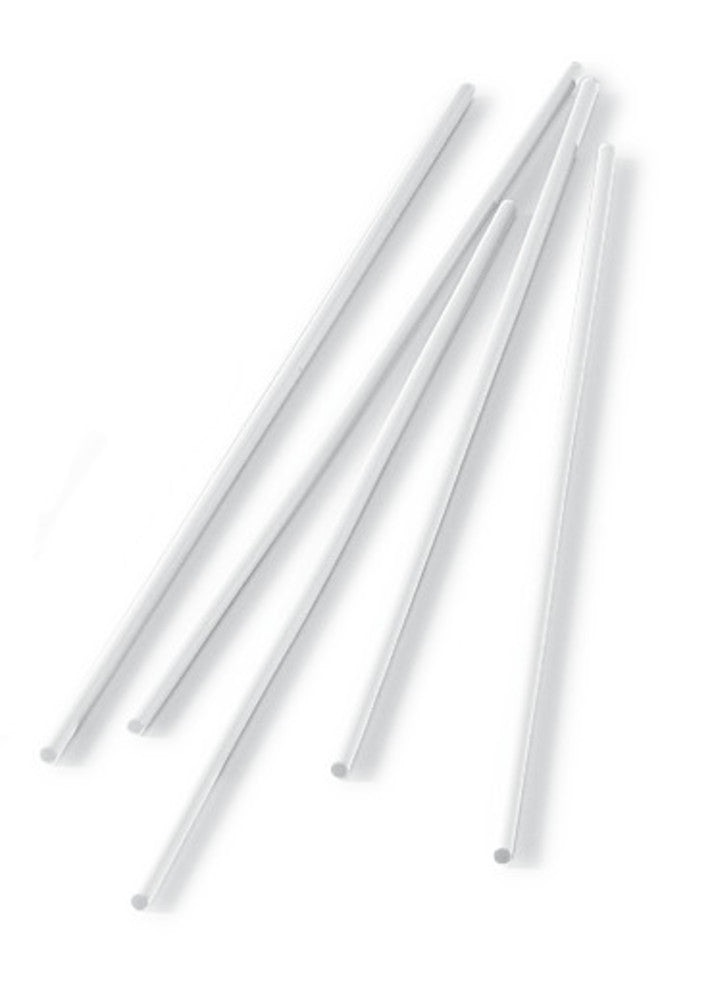
Magnesia rods measuring Ø 1,5 × 140 mm are solid analytical aids for qualitative inorganic chemistry, especially cation detection and related flame-test procedures. Each rod has a diameter of 1,5 mm and a length of 140 mm, offering a convenient handle for introducing sample material into a laboratory flame. The material shows a density of 3,58 g/cm³ and a boiling point of 3600 °C, reflecting the high thermal stability expected for magnesia rods under typical burner conditions. Packed as 25 unit(s) in cardboard, the set supports repeated teaching series or routine analytical sequences without constant replenishment. Pack weight is 0,039 kg. These magnesia rods from manufacturer Carl ROTH belong to qualitative detection reagents used in cation analysis. Defined geometry supports consistent dipping into sample solutions and presentation to the flame. With their high boiling point, the rods withstand the thermal load of classical Bunsen-type flames employed in qualitative schemes. Educational and routine analytical laboratories requiring durable rods for flame coloration and cation detection will find this 25-piece cardboard pack a practical bench supply.
This article is part of Reference substances & reagents (other), in Analytical standards & reference materials.
Key features
- Pack sizes: 25 pc(s), 10 pc(s), 100 pc(s)
- Density: 3,58 g/cm³
- Boiling point: 3600 °C
- Dimensions: Ø 1,5 × 140 mm
- Packaging: cardboard
- Technical Information Sheet:

- Safety Data Sheet:
Recently viewed
You may also like
Browse related categories
Category
Analytical standards & reference materials
Sub-category
Reference substances & reagents (other)
Catalogue
Brand
Questions about Magnesia rods, Ø 1.5 x length 140 mm, 10 unit(s)
What is this article?
Magnesia rods, Ø 1.5 x length 140 mm, 10 unit(s) is the article on this page. Luminix Health distributes Carl Roth for laboratory use. It sits in Reference substances & reagents (other), inside Analytical standards & reference materials, in Lab chemicals.
A reference substance has a stated identity and a stated content, used to check a method or to standardise a titration. It is a more tightly specified article than a reagent grade bottle of the same name. The lot's certificate is part of the product.
A reference material is the article against which another result is compared. Its value is stated, and the uncertainty of that value is part of the product. An ICP or ion standard is a solution of known concentration. A volumetric standard is for titration. A chromatography standard is the peak you match. The grade names, including pharmacopoeia and ASTM, say which impurities were limited. Identity is checked on PubChem. Names follow IUPAC. Medicinal grades follow the European Pharmacopoeia and USP.
Which category should I open next?
The category is Analytical standards & reference materials. The sub-category is Reference substances & reagents (other). The catalogue is Lab chemicals.
Shelves beside this one are ICP, AAS & ion standards, Chromatography standards (GC, HPLC, pesticides), Volumetric standard solutions (titration), Reagents for analysis (Ph. Eur., ASTM, DIN), Spectroscopy & physical property standards and Indicators & indicator solutions.
What should I check before I order?
The technical information on this page is the manufacturer's sheet. Read that, not a rewritten specification.
When this page shows a safety data sheet, use that manufacturer file. Hazard text does not belong in the sales description. For a pack size, a grade or a certificate that is not on the page, send a quote request or contact the team.
How does ordering and shipping work?
Luminix Health distributes this article from the heart of Europe. Articles in stock ship within 2–5 business days. Standard delivery is free from €250 excl. VAT. Cold-chain goods and dangerous goods under ADR are never included in that free delivery. The terms are in the Shipping Policy. The full brand index is on shop by brand. Who we are is on about us.
Which other categories should I open?
The seven catalogues are Labware, Lab chemicals, Lab instruments, Lab consumables, Chromatography equipment, Lab safety equipment and Life Science & Microbiology.