
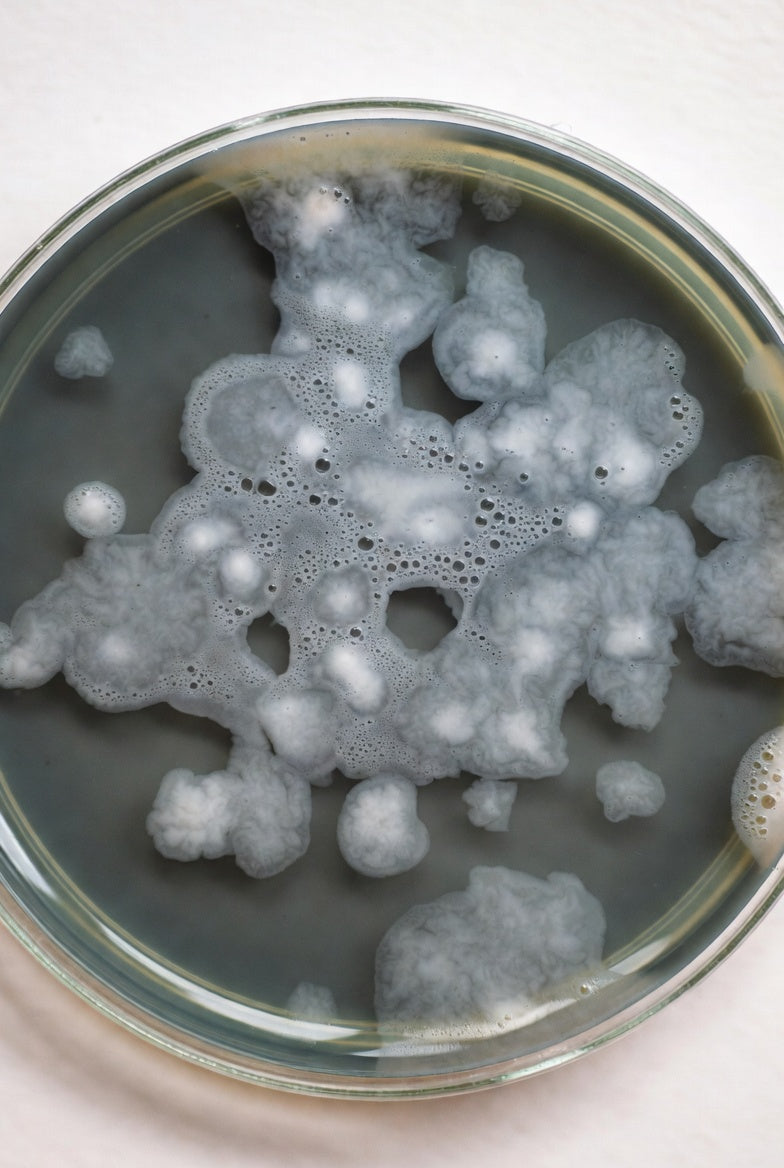


Description
Orange Serum Agar is a nutrient medium for microbiology supplied for laboratory cultivation and detection work involving specialised microorganisms. It belongs to the group of dry nutrient media used in hygiene monitoring and microbiological analyses where orange serum agar is the medium of choice. The product is packed as 500 g in plastic, offering a convenient bulk format for preparing culture plates in routine testing laboratories. From manufacturer Carl ROTH, Orange Serum Agar supports applications focused on nutrient media for the detection of other special microorganisms, including workflows common in beverage, fruit-product and related hygiene-control settings that specify this medium. The 500 g unit quantity allows repeated media preparation under standard microbiological practice. Laboratories select this agar when protocols require orange serum agar as the growth substrate for acid-tolerant or other specialised organisms associated with that formulation. Suitable for dry-media preparation benches in quality-assurance and environmental microbiology laboratories performing targeted microbial detection.
This article is part of Cell culture media & sera, in Cell culture.
Key features
- Casein peptone: 10 g/l
- Orange extract: 13.5 g/l
- Glucose: 4 g/l
- Dipotassium hydrogen phosphate: 2.5 g/l
- Yeast extract: 3 g/l
- Agar: 17 g/l
- pH value: 5,5 ±0,2
- Pack size: 500 g plastic
- Storage temperature: +15 to +25 °C
- Medium type: Orange Serum Agar
- Form: Dry nutrient medium
- Technical Information Sheet:

- Safety Data Sheet:
Recently viewed
You may also like
Browse related categories
Category
Sub-category
Catalogue
Brand
Questions about Orange Serum Agar, for microbiology, 500 g, plastic
What is this article?
Orange Serum Agar, for microbiology, 500 g, plastic is the article on this page. Luminix Health distributes Carl Roth for laboratory use. It sits in Cell culture media & sera, inside Cell culture, in Life Science & Microbiology.
Cell-culture medium is the liquid a cell line grows in. Serum, often fetal bovine, supplies what the basal medium does not. With or without glutamine, with or without phenol red, and the serum origin are different products. Serum is a cold-chain article and is never part of free standard delivery.
Cell culture grows cells outside the body. The medium, often with serum, supplies what the flask does not. A flask or a dish is the vessel, treated so the cells attach or left untreated so they float. Contamination by microbes, or by another cell line, is the ordinary failure. Cold-chain articles in this work, including serum, are never part of free standard delivery. Lines are catalogued by ATCC. Papers are on PubMed. Practice is summarised by the WHO laboratory biosafety topic.
Which category should I open next?
The category is Cell culture. The sub-category is Cell culture media & sera. The catalogue is Life Science & Microbiology.
Shelves beside this one are Cell culture accessories, Cell culture flasks, Cell culture plates & dishes and Cell strainers, inserts & scrapers.
What should I check before I order?
The technical information on this page is the manufacturer's sheet. Read that, not a rewritten specification.
When this page shows a safety data sheet, use that manufacturer file. Hazard text does not belong in the sales description. For a pack size, a grade or a certificate that is not on the page, send a quote request or contact the team.
How does ordering and shipping work?
Luminix Health distributes this article from the heart of Europe. Articles in stock ship within 2–5 business days. Standard delivery is free from €250 excl. VAT. Cold-chain goods and dangerous goods under ADR are never included in that free delivery. The terms are in the Shipping Policy. The full brand index is on shop by brand. Who we are is on about us.
Which other categories should I open?
The seven catalogues are Labware, Lab chemicals, Lab instruments, Lab consumables, Chromatography equipment, Lab safety equipment and Life Science & Microbiology.