






Description
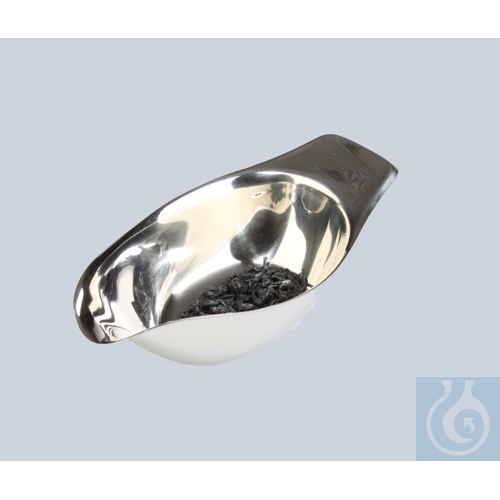
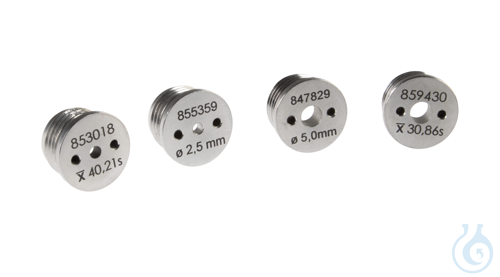
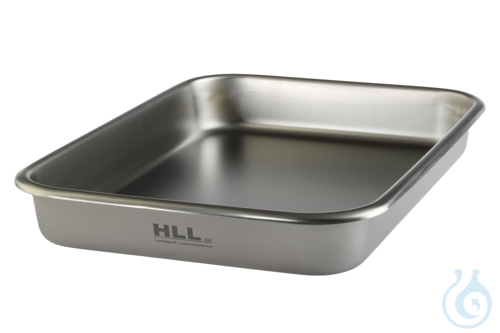
Appareil pour la détermination du débit, débitmètre de Hall selon DIN EN ISO 4490, est un instrument de laboratoire calibré pour mesurer comment des poudres métalliques à écoulement libre et des poudres de métal dur passent un entonnoir normalisé. La méthode enregistre le temps nécessaire pour que 50 g de poudre s'écoulent à travers l'ouverture de sortie calibrée. Le système est fréquemment appliqué en fabrication additive (impression 3D) pour le contrôle à la réception et le contrôle de routine des matières premières en poudre. Construit en acier inoxydable non magnétique V4A (1.4305), l'appareil est électropoli, avec une surface d'entonnoir polie brillant qui favorise des mesures d'écoulement reproductibles. L'ensemble fourni comprend un entonnoir d'essai en acier inoxydable, une buse d'entonnoir à sortie calibrée, un support en acier inoxydable avec bras de maintien, un mode d'emploi et un protocole d'essai type. La pratique de mesure suit DIN EN ISO 4490 (débitmètre de Hall) et s'aligne sur ASTM B213-13 pour le débit des poudres métalliques. Proposé par le fabricant Landgraf HLL, l'appareil est destiné aux laboratoires équipés d'une balance de précision (±0.01 g) et d'une étuve de séchage universelle. Des accessoires optionnels tels qu'une coupelle en acier inoxydable, un certificat d'étalonnage d'usine pour la buse, un chronomètre, du grain emery chinois et un bac de collecte soutiennent en outre l'étalonnage et l'utilisation quotidienne.
Cet article fait partie de Robinets & vannes, dans Tubes, tuyaux et raccords.
Caractéristiques
- Conditionnement: 1 pièce
- Matériau: Acier inoxydable V4A (1.4305), non magnétique
- Finition: Électropoli, entonnoir poli brillant
- Masse d'essai: 50 g de poudre
- Norme: DIN EN ISO 4490 (débitmètre de Hall)
- Fiche technique:

Récemment consulté
Vous aimerez peut-être aussi
Browse related categories
Category
Sub-category
Catalogue
Brand
Questions about Appareil pour la détermination du débit, débitmètre de Hall selon
What is this article?
Appareil pour la détermination du débit, débitmètre de Hall selon is the article on this page. Luminix Health distributes Landgraf HLL for laboratory use. It sits in Robinets & vannes, inside Tubes, tuyaux et raccords, in Matériel de laboratoire.
A stopcock opens and closes a line, or directs it between ports. Glass stopcocks have a ground plug that needs grease or a PTFE key. The bore decides the flow. A two-way and a three-way key are different parts.
Tubing is how a liquid or a gas moves between two vessels without being poured. Silicone stays flexible and survives repeated autoclaving. PTFE resists almost every solvent and is stiff. PVC is the ordinary flexible line for water and for mild aqueous work. The fitting, not the tube, is what usually leaks: the barb, the thread and the stopcock have to match the tube bore. Glass and plastic apparatus around these lines is indexed under ISO laboratory ware.
Which category should I open next?
The category is Tubes, tuyaux et raccords. The sub-category is Robinets & vannes. The catalogue is Matériel de laboratoire.
Shelves beside this one are Raccords pour tuyaux, adaptateurs & raccords, Tuyaux PVC, PTFE & autres, Tuyaux en silicone and Accessoires pour tuyaux.
What should I check before I order?
When this page shows a safety data sheet, use that manufacturer file. Hazard text does not belong in the sales description. For a pack size, a grade or a certificate that is not on the page, send a quote request or contact the team.
How does ordering and shipping work?
Luminix Health distributes this article from the heart of Europe. Articles in stock ship within 2–5 business days. Standard delivery is free from €250 excl. VAT. Cold-chain goods and dangerous goods under ADR are never included in that free delivery. The terms are in the Shipping Policy. The full brand index is on shop by brand. Who we are is on about us.
Which other categories should I open?
The seven catalogues are Labware, Lab chemicals, Lab instruments, Lab consumables, Chromatography equipment, Lab safety equipment and Life Science & Microbiology.