


Description
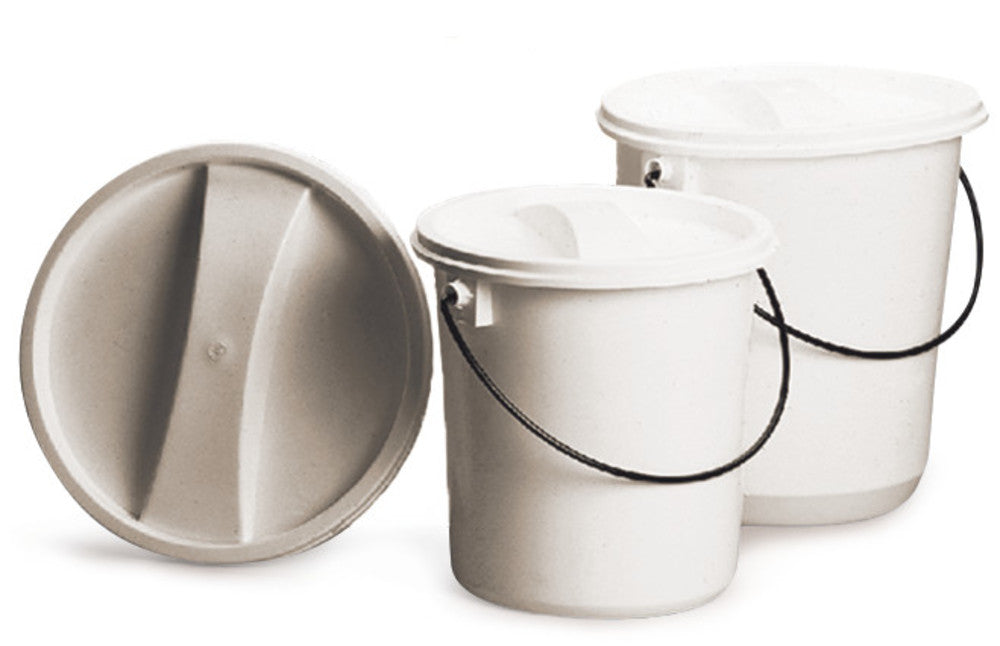
Seau avec couvercle hermétique en PEBD, un récipient de laboratoire pratique pour le maintien, le transport et le stockage temporaire en toute sécurité d'échantillons, de réactifs et de matériaux de traitement. Fabriqué en polyéthylène basse densité, ce récipient allie résistance chimique et construction robuste et légère, adaptée aux flux de travail techniques et de laboratoire quotidiens. Le couvercle hermétique aide à limiter les déversements, l'évaporation et la contamination lors de la manipulation ou du stockage à court terme. Sa capacité est de 7,6 l, avec des dimensions de hauteur de 267/254 mm, offrant une assise stable pour une utilisation sur paillasse, sous hotte ou en stockage. Fourni à l'unité et pesant 0,612 kg, le seau est facile à déplacer, qu'il soit plein ou vide. Cette conception Nalgene s'inscrit dans les catégories couvrant les bacs, bols et seaux parmi la verrerie de laboratoire, les récipients et les consommables. Il prend en charge l'organisation générale en laboratoire humide, les tâches de préparation de milieux et le confinement courant lorsqu'un seau en PEBD scellé est préférable aux récipients ouverts. Les dimensions et la capacité permettent une sélection claire par rapport aux autres tailles de la même gamme pour une logistique de laboratoire adaptée au volume.
Cet article appartient aux catégories Bidons et jerricans, dans Flacons et récipients.
Caractéristiques principales
- Conditionnement : 1 pièce
- Matériau : PEBD
- Capacité : 7,6 l
- Hauteur : 267/254 mm
- Type de couvercle : Hermétique
- Poids : 0,612 kg
Récemment consulté
Vous aimerez peut-être aussi
Browse related categories
Category
Sub-category
Catalogue
Brand
Questions about Seau avec couvercle hermétique, PEBD, 7,6 l, H 267/254 mm, 1 unité(s)
What is this article?
Seau avec couvercle hermétique, PEBD, 7,6 l, H 267/254 mm, 1 unité(s) is the article on this page. Luminix Health distributes Nalgene for laboratory use. It sits in Canisters & jerrycans, inside Bottles & containers, in Matériel de laboratoire.
A canister or jerrycan holds litres, not millilitres, and it is shaped to be carried and to pour. The material has to survive the liquid for the whole time the can sits in the store.
A laboratory bottle is a closed container with a stated volume and a neck that takes a cap, a stopper or a dispenser. Borosilicate glass is the choice when the liquid is a solvent, or when the bottle will be heated or autoclaved. Polyethylene and polypropylene are the choice when the bottle must not shatter, or when hydrofluoric acid would attack glass. A narrow mouth pours. A wide mouth is for powders and for reaching the bottom. Laboratory ware of this kind is indexed under ISO laboratory glassware. Traceable volume sits with the BIPM and NIST Physical Measurement.
Which category should I open next?
The category is Bottles & containers. The sub-category is Canisters & jerrycans. The catalogue is Matériel de laboratoire.
Shelves beside this one are Laboratory glass bottles, Plastic bottles (narrow & wide mouth), Sample containers & jars, Wash bottles and Bottle accessories (pouring rings, dispensers, caps).
What should I check before I order?
The technical information on this page is the manufacturer's sheet. Read that, not a rewritten specification.
When this page shows a safety data sheet, use that manufacturer file. Hazard text does not belong in the sales description. For a pack size, a grade or a certificate that is not on the page, send a quote request or contact the team.
How does ordering and shipping work?
Luminix Health distributes this article from the heart of Europe. Articles in stock ship within 2–5 business days. Standard delivery is free from €250 excl. VAT. Cold-chain goods and dangerous goods under ADR are never included in that free delivery. The terms are in the Shipping Policy. The full brand index is on shop by brand. Who we are is on about us.
Which other categories should I open?
The seven catalogues are Labware, Lab chemicals, Lab instruments, Lab consumables, Chromatography equipment, Lab safety equipment and Life Science & Microbiology.