


Description
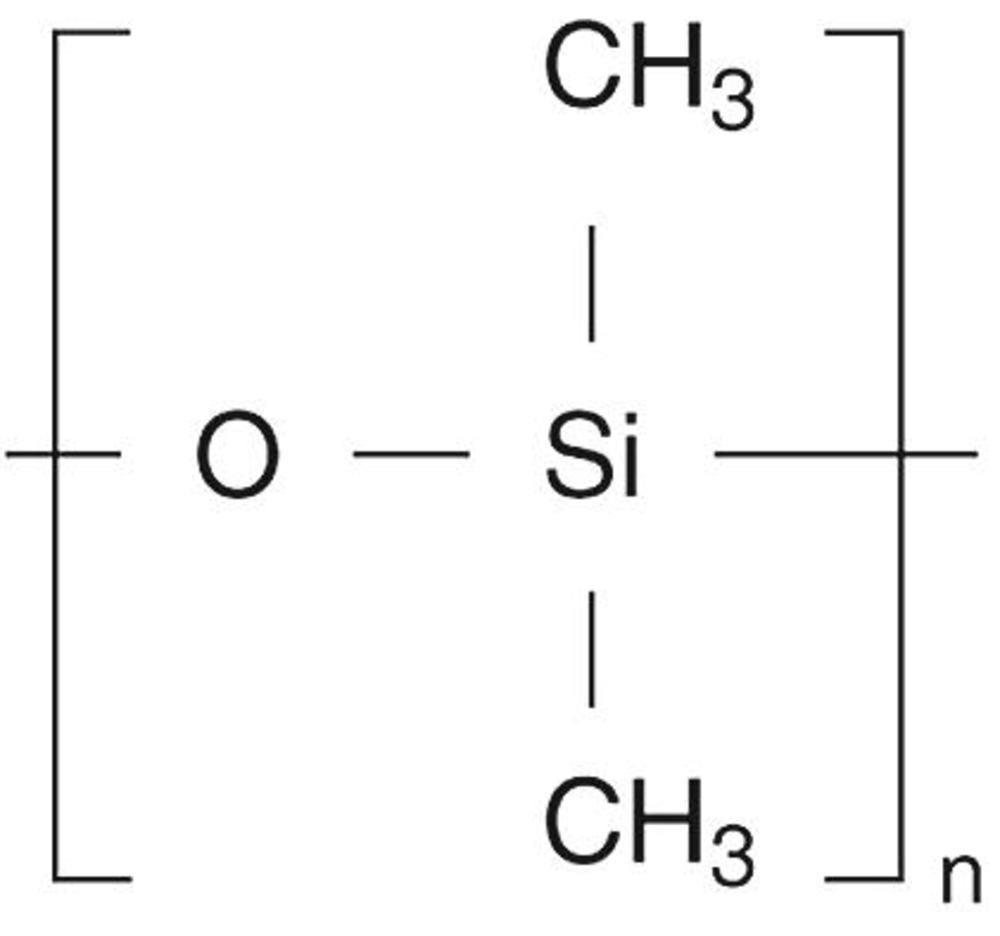
La colonne capillaire GC ROTI®Cap-1 apolaire est une colonne capillaire de chromatographie en phase gazeuse configurée avec une phase stationnaire apolaire pour des séparations analytiques. Les spécifications comprennent une longueur de 50 m, un diamètre interne de 0.32 mm et une épaisseur de film de 0.5 µm, offrant une charge de film plus élevée que les variantes à film plus mince de la même phase. Les colonnes capillaires apolaires de cette géométrie sont appliquées aux analytes volatils et semi-volatils en analyse environnementale et dans des travaux de méthodes GC plus larges. Le film de 0.5 µm favorise une capacité d'échantillon plus élevée, tandis que les dimensions 50 m × 0.32 mm conservent un comportement chromatographique familier sur les instruments de laboratoire standard. Fournie en une seule pièce (environ 0.264 kg), la colonne est destinée à une utilisation directe dans des systèmes de chromatographie en phase gazeuse. Cette colonne ROTI®Cap-1 du fabricant Carl ROTH sert les laboratoires engagés dans l'analyse environnementale, le contrôle qualité et les séparations de recherche qui exigent une phase apolaire avec un film modéré à épais. La longueur, le diamètre interne et l'épaisseur de film définis aident les laboratoires à adapter le choix de colonne aux exigences de résolution, de capacité et de durée d'analyse dans des applications GC établies.
Cet article fait partie de Colonnes capillaires GC, dans Colonnes GC & accessoires.
Caractéristiques
- Conditionnement: 1 pièce
- Longueur: 50 m
- Diamètre intérieur: 0.32 mm
- Épaisseur de film: 0.5 µm
- Phase: non polaire
- Gamme de produits: ROTI®Cap-1
Récemment consulté
Vous aimerez peut-être aussi
Browse related categories
Category
Sub-category
Catalogue
Brand
Questions about Colonne capillaire GC ROTI®Cap-1 apolaire, L 50 m, Ø interne 0.32 mm, épaisseur 0.5 µm
What is this article?
Colonne capillaire GC ROTI®Cap-1 apolaire, L 50 m, Ø interne 0.32 mm, épaisseur 0.5 µm is the article on this page. Luminix Health distributes Carl Roth for laboratory use. It sits in Colonnes capillaires GC, inside Colonnes GC & accessoires, in Chromatographie.
A GC capillary column is specified by the phase, the length, the internal diameter and the film thickness. A thicker film retains longer and takes a higher load. A narrow bore gives sharper peaks and needs a cleaner sample. The maximum temperature of the phase is a hard limit.
A GC capillary column is a long open tube with a stationary phase coated on the wall. The sample is a vapour, carried by gas. The phase, the film thickness, the length and the internal diameter decide which compounds separate and how long it takes. A liner is the glass sleeve in the injector. It is a consumable: it collects the non-volatile dirt. The septum and the syringe are the other parts that leak or shed. Compound identity sits on PubChem under IUPAC names.
Which category should I open next?
The category is Colonnes GC & accessoires. The sub-category is Colonnes capillaires GC. The catalogue is Chromatographie.
Shelves beside this one are Liners GC, septa, seringues & accessoires.
What should I check before I order?
The technical information on this page is the manufacturer's sheet. Read that, not a rewritten specification.
When this page shows a safety data sheet, use that manufacturer file. Hazard text does not belong in the sales description. For a pack size, a grade or a certificate that is not on the page, send a quote request or contact the team.
How does ordering and shipping work?
Luminix Health distributes this article from the heart of Europe. Articles in stock ship within 2–5 business days. Standard delivery is free from €250 excl. VAT. Cold-chain goods and dangerous goods under ADR are never included in that free delivery. The terms are in the Shipping Policy. The full brand index is on shop by brand. Who we are is on about us.
Which other categories should I open?
The seven catalogues are Labware, Lab chemicals, Lab instruments, Lab consumables, Chromatography equipment, Lab safety equipment and Life Science & Microbiology.