



Description
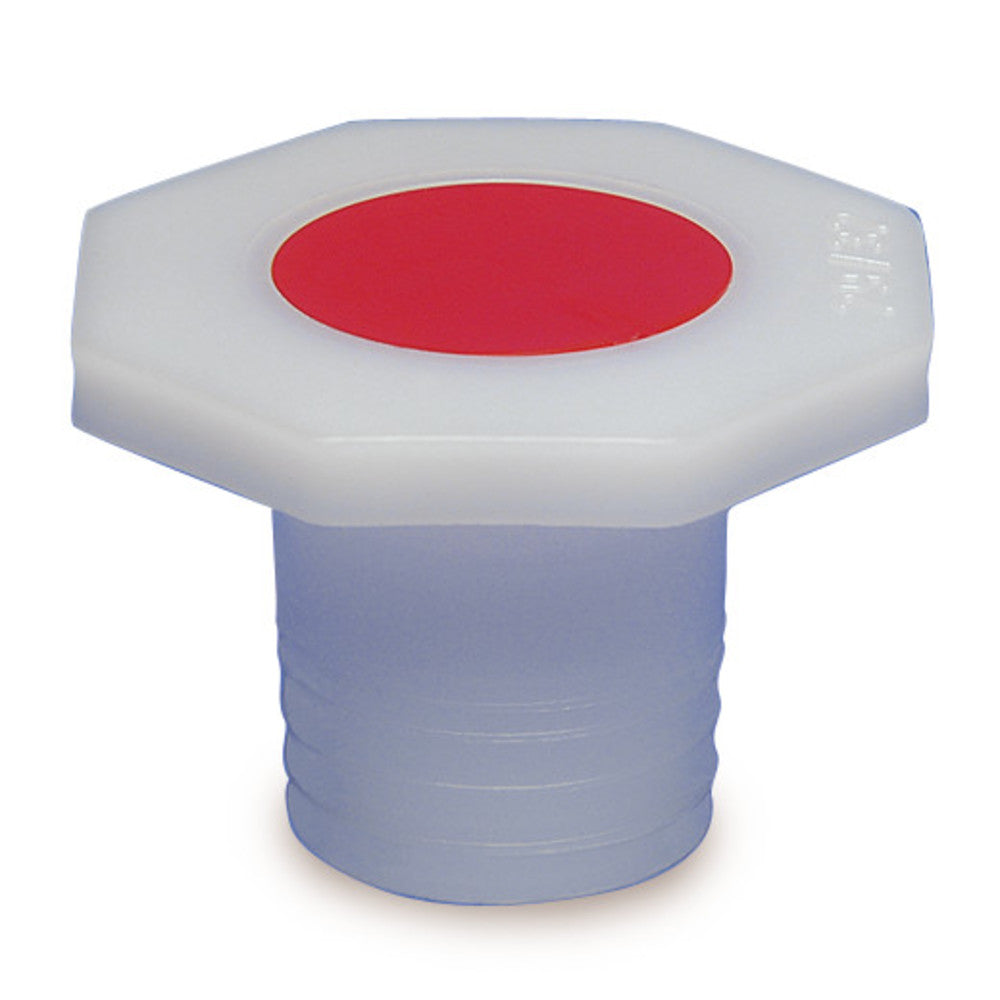
Les bouchons en plastique, PE, DIN 12254 à rodage normalisé 12/21 sont des bouchons de laboratoire octogonaux pour la fermeture sûre de récipients en verre et d'appareils munis de rodages coniques normalisés correspondants. Fabriqués en polyethylene (PE), ils offrent une option d'étanchéité légère et durable pour le travail courant de laboratoire où la facilité de manipulation et un ajustement fiable sont essentiels. La tête octogonale offre une prise ferme pour l'insertion et le retrait, y compris lorsque des gants sont portés. Conforme à DIN 12254, le rodage normalisé 12/21 assure la compatibilité dimensionnelle avec les fioles, flacons et récipients de réaction courants utilisés dans les laboratoires de chimie, de biologie et d'analyse. Ces bouchons du fabricant Lenz sont fournis en un lot de 10 pièces, ce qui favorise un stock régulier pour les environnements d'enseignement, de recherche et de contrôle qualité. Avec un poids d'environ 0.022 kg, chaque bouchon reste facile à manipuler tout en aidant à limiter l'évaporation et la contamination des échantillons et des réactifs lors des tâches quotidiennes de fermeture sur la verrerie à rodage normalisé.
Cet article fait partie de Bouchons en verre à rodage, dans Bouchons, capuchons & fermetures.
Caractéristiques
- Conditionnement: 10 pièces
- Matériau: PE
- Norme: DIN 12254
- Joint rodé normalisé: 12/21
- Exécution: Octogonal
- Poids: 0.022 kg
Récemment consulté
Vous aimerez peut-être aussi
Questions about Bouchons en plastique, PE, DIN 12254, rodage normalisé 12/21, octogonal
What is this article?
Bouchons en plastique, PE, DIN 12254, rodage normalisé 12/21, octogonal is the article on this page. Luminix Health distributes Lenz for laboratory use. It sits in Bouchons en verre à rodage, inside Bouchons, capuchons & fermetures, in Matériel de laboratoire.
A ground-glass stopper matches a ground neck of a stated joint size. A 14/23 stopper does not seal a 29/32 neck. The stopper is part of the flask's seal, and a chip on the grind is a leak.
A closure is the part that decides whether a bottle stays shut and whether the contents attack the seal. A ground-glass stopper matches a ground neck. A screw cap needs the right thread and a liner that survives the liquid. Rubber and silicone stoppers push into a mouth. The liner, not the colour of the cap, is the chemical choice. The vessels they close are indexed under ISO laboratory glassware.
Which category should I open next?
The category is Bouchons, capuchons & fermetures. The sub-category is Bouchons en verre à rodage. The catalogue is Matériel de laboratoire.
Shelves beside this one are Bouchons à vis & fermetures, Bouchons en caoutchouc & silicone, Couvercles & joints and Fermetures (autres).
What should I check before I order?
The technical information on this page is the manufacturer's sheet. Read that, not a rewritten specification.
When this page shows a safety data sheet, use that manufacturer file. Hazard text does not belong in the sales description. For a pack size, a grade or a certificate that is not on the page, send a quote request or contact the team.
How does ordering and shipping work?
Luminix Health distributes this article from the heart of Europe. Articles in stock ship within 2–5 business days. Standard delivery is free from €250 excl. VAT. Cold-chain goods and dangerous goods under ADR are never included in that free delivery. The terms are in the Shipping Policy. The full brand index is on shop by brand. Who we are is on about us.
Which other categories should I open?
The seven catalogues are Labware, Lab chemicals, Lab instruments, Lab consumables, Chromatography equipment, Lab safety equipment and Life Science & Microbiology.