


Description
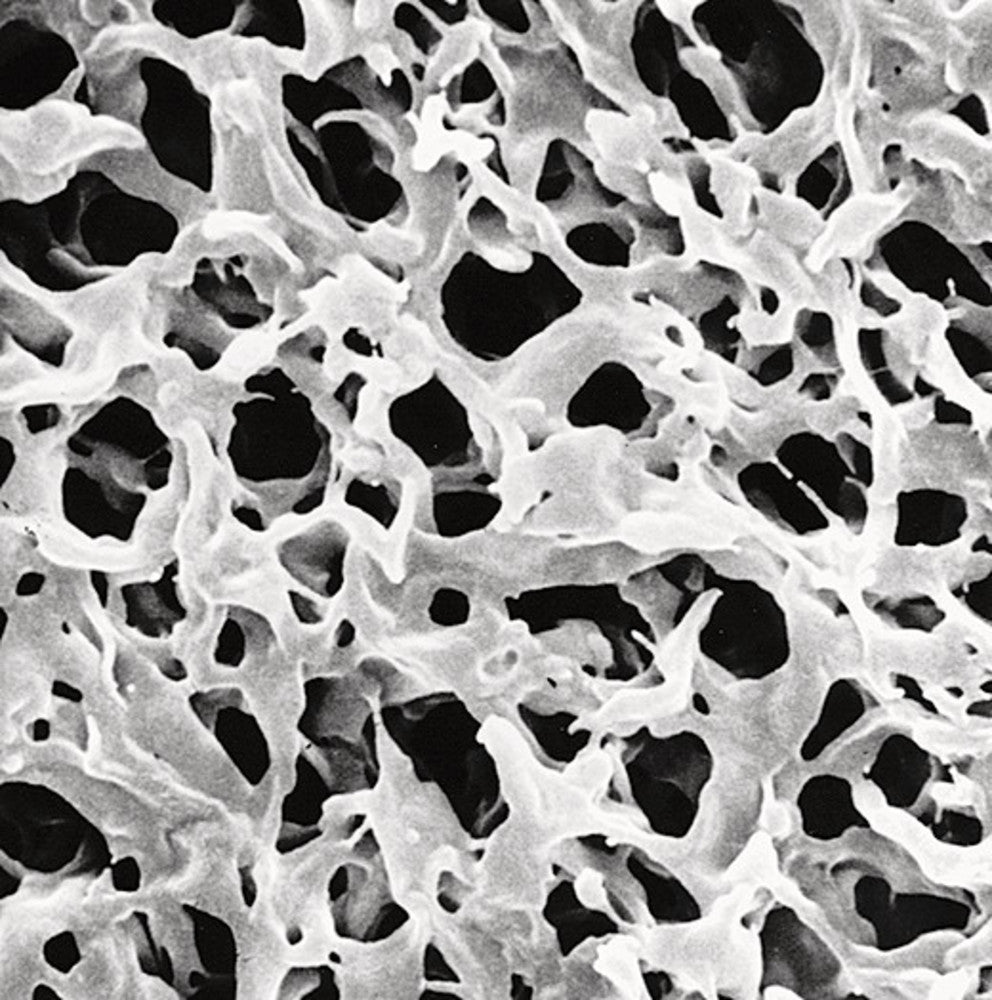
Les filtres à membrane PVDF, hydrophiles, avec une taille de pores de 0.45 µm et un diamètre de Ø 90 mm fournissent des disques à membrane de grand format pour la filtration et la séparation en laboratoire. Le matériau PVDF hydrophile est destiné à la manipulation aqueuse lorsqu'une classification de pores indiquée de 0.45 µm favorise une rétention contrôlée des particules pendant la préparation des échantillons. La quantité unitaire est de 50 pièces, une taille d'emballage pratique pour les flux de travail qui utilisent du matériel de filtration de 90 mm et nécessitent moins de changements par cycle de filtration. Un diamètre et une taille de pores définis permettent un appariement simple avec les supports et les exigences de méthode. Le poids d'emballage indiqué est de 0.12 kg. Ces filtres à membrane PVDF hydrophiles du fabricant MERCK MILLIPORE font partie de la gamme de membranes de filtration et de séparation appliquée aux étapes de filtration de laboratoire associées à la purification de l'eau, aux processus liés à la dialyse et aux tâches générales de séparation. Choisissez l'option PVDF hydrophile de 0.45 µm, Ø 90 mm lorsqu'une plus grande surface de membrane et un emballage de 50 pièces correspondent le mieux à votre installation de filtration.
Cet article fait partie de Filtres à membrane, dans Filtration.
Caractéristiques
- Conditionnement: 50 pièces
- Matériau: PVDF, hydrophile
- Taille des pores: 0.45 µm
- Diamètre: Ø 90 mm
- Format de membrane: Filtre à disque
- Poids: 0.12 kg
Récemment consulté
Vous aimerez peut-être aussi
Browse related categories
Category
Sub-category
Catalogue
Brand
Questions about Filtres à membrane PVDF, hydrophiles, Ø 90 mm, taille de pores 0.45 µm, 50 pièces
What is this article?
Filtres à membrane PVDF, hydrophiles, Ø 90 mm, taille de pores 0.45 µm, 50 pièces is the article on this page. Luminix Health distributes MERCK MILLIPORE for laboratory use. It sits in Filtres à membrane, inside Filtration, in Consommables.
A membrane filter is the disc itself, without a syringe housing. Pore size, polymer and diameter are the specification, and the disc has to sit in a holder. Gridded membranes are for counting colonies. A membrane and a filter paper of the same diameter are not interchangeable.
Filtration holds back what is larger than the pores and lets the rest through. Paper is the ordinary laboratory filter. A membrane has a stated pore size and a polymer that must survive the solvent. A syringe filter is that membrane in a housing on a syringe. Glass fibre takes a higher dirt load. Ultrafiltration holds back macromolecules and passes salts. The pore size, the chemical compatibility and the volume are the three choices. Laboratory apparatus around filtration is indexed under ISO laboratory apparatus.
Which category should I open next?
The category is Filtration. The sub-category is Filtres à membrane. The catalogue is Consommables.
Shelves beside this one are Papier filtre, Plaques filtrantes en verre fritté & disques, Filtres seringue, Cartouches filtrantes & capsules, Filtres en fibres de verre & de quartz, Unités de filtration sur flacon & sous vide, Ultrafiltration & concentrateurs, Accessoires de filtration, Cartouches d'extraction and Tubes de dialyse & dispositifs.
What should I check before I order?
The technical information on this page is the manufacturer's sheet. Read that, not a rewritten specification.
When this page shows a safety data sheet, use that manufacturer file. Hazard text does not belong in the sales description. For a pack size, a grade or a certificate that is not on the page, send a quote request or contact the team.
How does ordering and shipping work?
Luminix Health distributes this article from the heart of Europe. Articles in stock ship within 2–5 business days. Standard delivery is free from €250 excl. VAT. Cold-chain goods and dangerous goods under ADR are never included in that free delivery. The terms are in the Shipping Policy. The full brand index is on shop by brand. Who we are is on about us.
Which other categories should I open?
The seven catalogues are Labware, Lab chemicals, Lab instruments, Lab consumables, Chromatography equipment, Lab safety equipment and Life Science & Microbiology.