


Beschrijving
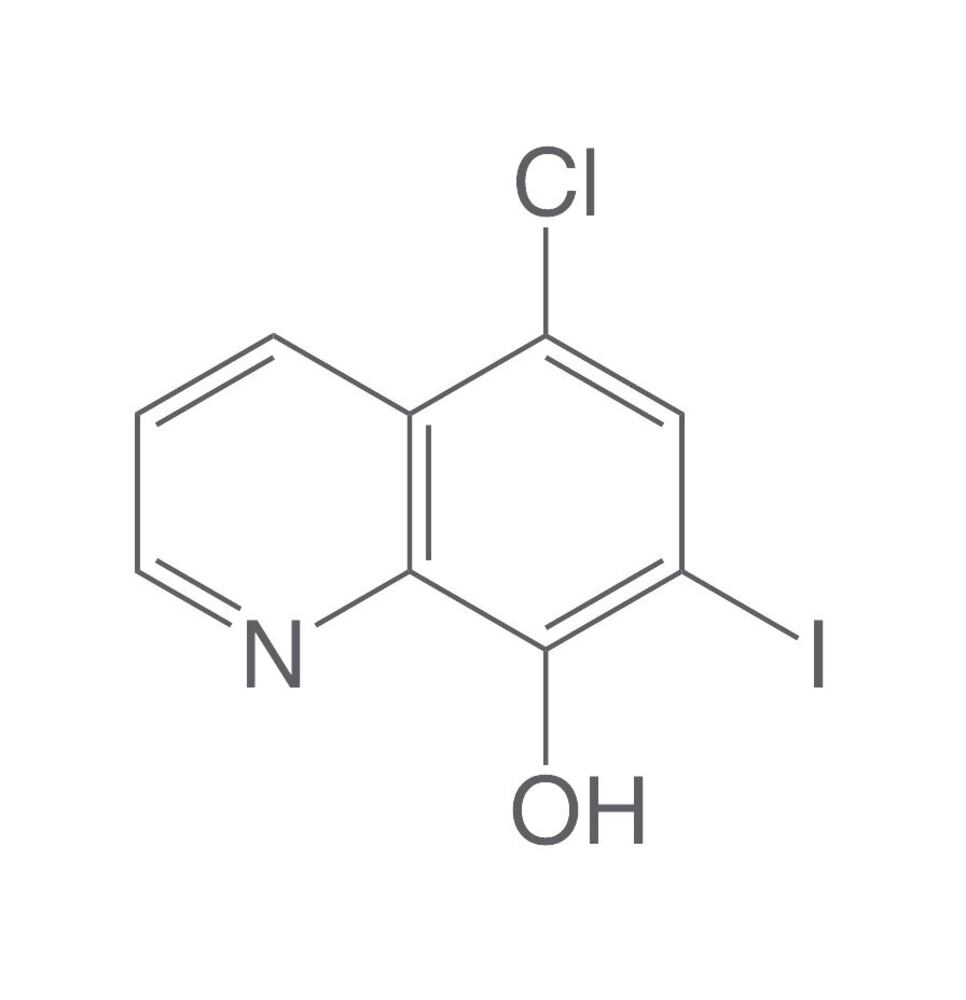
Clioquinol is een BioScience Grade-biochemicalie geleverd als een verpakking van 50 mg voor laboratoriumgebruik. Het wordt geïdentificeerd door CAS-nummer 130-26-7 en de empirische formule C₉H₅ClINO, met een molaire massa van 305.5 g/mol. Belangrijke fysische gegevens omvatten een vlampunt van 165.7 °C en een kookpunt van 350.4 °C, ter ondersteuning van duidelijke hantering en documentatie in onderzoeksworkflows. Deze compacte eenheidshoeveelheid past bij methodeontwikkeling, referentiewerk en kleinschalige experimentele opstellingen waarbij een gedefinieerde identiteit en een consistente kwaliteit van belang zijn. Het materiaal wordt aangeboden van fabrikant Carl ROTH binnen het assortiment biochemicaliën en is gekoppeld aan UN-nummer 2811 voor transportclassificatie. Clioquinol in BioScience Grade biedt een praktische optie wanneer laboratoria een goed gespecificeerde kleine verpakking nodig hebben zonder overtollig volume. Specificaties sluiten aan bij de vermelde molaire massa, thermische gegevens, CAS-registervermelding en empirische formule, waardoor eenvoudige integratie in voorraad, SOP's en analytische dossiers mogelijk is. De presentatie van 50 mg ondersteunt zuinig proefgebruik en gecontroleerd afmeten in biowetenschappelijke omgevingen die een traceerbare chemische identiteit en een reproduceerbare kwaliteitsaanduiding vereisen.
Dit artikel maakt deel uit van Biochemicaliën (overig), in Biochemicaliën & reagentia.
Kenmerken
- Gehalte: gerapporteerd (%)
- Oplosbaarheid: gerapporteerd
- Kleur: gerapporteerd
- Vorm: gerapporteerd
- CAS-nummer: 130-26-7
- Verpakkingsgrootte: 50 mg
- Brutoformule: C₉H₅ClINO
- Molaire massa: 305.5 g/mol
- Vlampunt: 165.7 °C
- Kookpunt: 350.4 °C
- Technisch datablad:

- Veiligheidsinformatieblad:
Compliance & Safety Information


 Gevaar
Hazard Statements (H-Phrases)
Recent bekeken
Misschien vind je dit ook leuk
Browse related categories
Category
Sub-category
Catalogue
Brand
Questions about Clioquinol, BioScience Grade, 50 mg
What is this article?
Clioquinol, BioScience Grade, 50 mg is the article on this page. Luminix Health distributes Carl Roth for laboratory use. It sits in Biochemicaliën (overig), inside Biochemicaliën & reagentia, in Microbiologische media.
These are the biochemical reagents that are not an amino acid, a sugar, a lipid, an enzyme or an antibiotic. Identity and purity still decide the bottle. If the compound is light-sensitive or hygroscopic, the handling on the label is part of the specification.
A biochemical is a molecule of life, sold as a reagent: an amino acid, a sugar, a nucleotide, a lipid, an enzyme, an antibiotic. The difference from a bulk chemical is that the use is a biological one, and the impurities that matter are the ones that change that use. An enzyme is specified by activity, not only by mass. An antibiotic is specified by potency. Papers are on PubMed. Structures are on PubChem. Strains and lines that consume these reagents are at ATCC.
Which category should I open next?
The category is Biochemicaliën & reagentia. The sub-category is Biochemicaliën (overig). The catalogue is Microbiologische media.
Shelves beside this one are Aminozuren & peptiden, Koolhydraten & suikers, Co-enzymen, nucleotiden & vitaminen, Enzymen & substraten, Antibiotica & antimycotica, Lipiden, steroïden & vetzuren and Detergenten & oppervlakteactieve stoffen.
What should I check before I order?
When this page shows a safety data sheet, use that manufacturer file. Hazard text does not belong in the sales description. For a pack size, a grade or a certificate that is not on the page, send a quote request or contact the team.
How does ordering and shipping work?
Luminix Health distributes this article from the heart of Europe. Articles in stock ship within 2–5 business days. Standard delivery is free from €250 excl. VAT. Cold-chain goods and dangerous goods under ADR are never included in that free delivery. The terms are in the Shipping Policy. The full brand index is on shop by brand. Who we are is on about us.
Which other categories should I open?
The seven catalogues are Labware, Lab chemicals, Lab instruments, Lab consumables, Chromatography equipment, Lab safety equipment and Life Science & Microbiology.