


Beschrijving
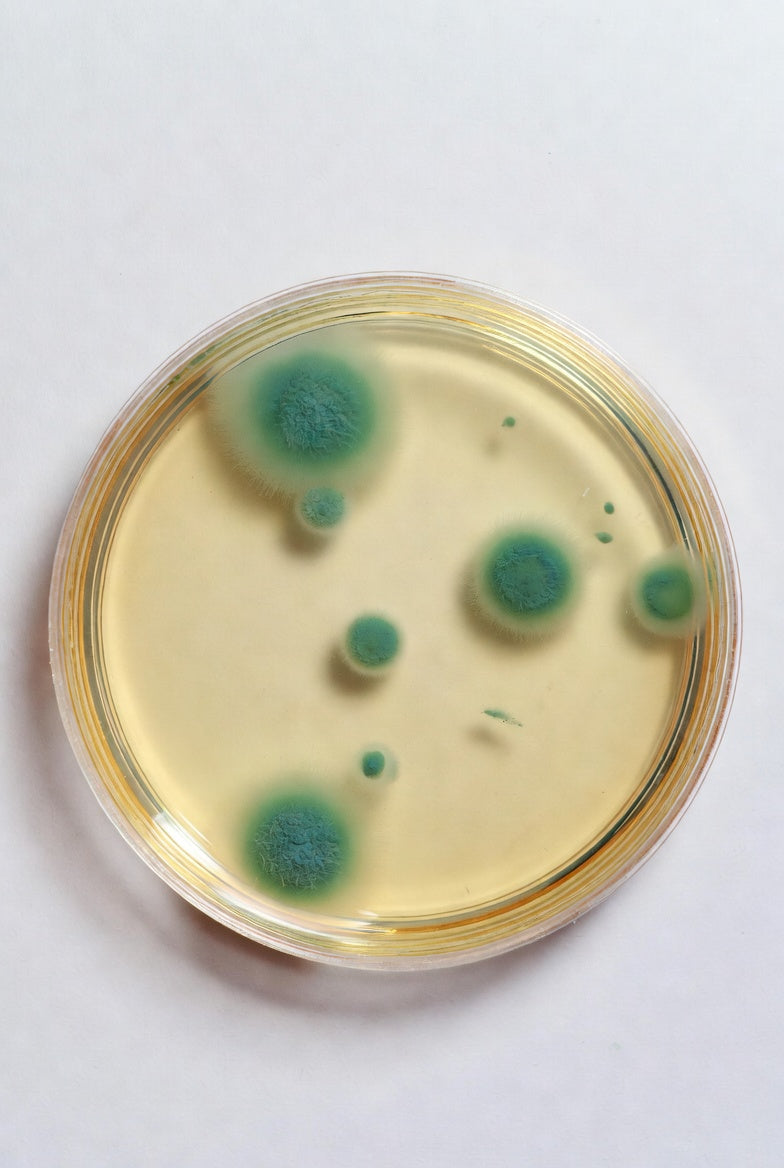
Sabouraud 2 % Glucose Agar is een gedehydrateerd voedingsmedium, geformuleerd voor microbiologisch werk, met name waar gisten en schimmels onder gecontroleerde laboratoriumomstandigheden worden onderzocht. Geleverd als een droog medium dat klaar is om te bereiden in een kunststofverpakking van 500 g, ondersteunt het de routinematige bereiding van culturen in workflows voor omgevingsanalyse en algemeen microbiologisch onderzoek. De formulering biedt de klassieke Sabouraud-basis met 2 % glucose en geeft laboratoria een praktisch uitgangspunt voor uitplaat- en isolatietaken zodra het volgens de standaardpraktijk is gereconstitueerd en gesteriliseerd. Dit medium van fabrikant Carl ROTH past bij toepassingen die steunen op consistente gedehydrateerde voedingsmedia voor schimmel- en gistgerelateerde studies. Met een netto verpakkingsgewicht van 0.604 kg is de eenheid geschikt voor laboratoria met een gemiddelde doorvoer die de voorkeur geven aan droge media in bulk boven voorgestorte platen. Gebruikscategorieën omvatten microbiologisch onderzoek en omgevingsanalyse, waar betrouwbare agarbases vereist zijn voor detectie- en telwerk. Het product is uitsluitend bestemd voor professioneel laboratoriumgebruik en dient te worden gehanteerd volgens de normale goede microbiologische praktijk.
Dit artikel maakt deel uit van Koolhydraten & suikers, in Biochemicaliën & reagentia.
Kenmerken
- Meat and casein peptone: 10 g/l
- Glucose: 20 g/l
- Agar: 17 g/l
- pH-waarde: 5.6 ±0.2
- Verpakkingsgrootte: 500 g kunststof
- Bewaartemperatuur: +15 to +25 °C
- Producttype: Gedehydrateerd voedingsmedium
- Vorm: Agar
- Technisch datablad:

- Veiligheidsinformatieblad:
Recent bekeken
Misschien vind je dit ook leuk
Browse related categories
Category
Sub-category
Catalogue
Brand
Questions about Sabouraud 2 % Glucose Agar, voor microbiologie, 500 g, kunststof
What is this article?
Sabouraud 2 % Glucose Agar, voor microbiologie, 500 g, kunststof is the article on this page. Luminix Health distributes Carl Roth for laboratory use. It sits in Koolhydraten & suikers, inside Biochemicaliën & reagentia, in Microbiologische media.
A carbohydrate reagent is a sugar or a derivative, specified by identity, anomer where it matters, and purity. Hydrate and anhydrous forms change the mass. A culture-grade sugar and an analytical standard of the same name are different bottles.
A biochemical is a molecule of life, sold as a reagent: an amino acid, a sugar, a nucleotide, a lipid, an enzyme, an antibiotic. The difference from a bulk chemical is that the use is a biological one, and the impurities that matter are the ones that change that use. An enzyme is specified by activity, not only by mass. An antibiotic is specified by potency. Papers are on PubMed. Structures are on PubChem. Strains and lines that consume these reagents are at ATCC.
Which category should I open next?
The category is Biochemicaliën & reagentia. The sub-category is Koolhydraten & suikers. The catalogue is Microbiologische media.
Shelves beside this one are Aminozuren & peptiden, Co-enzymen, nucleotiden & vitaminen, Biochemicaliën (overig), Enzymen & substraten, Antibiotica & antimycotica, Lipiden, steroïden & vetzuren and Detergenten & oppervlakteactieve stoffen.
What should I check before I order?
The technical information on this page is the manufacturer's sheet. Read that, not a rewritten specification.
When this page shows a safety data sheet, use that manufacturer file. Hazard text does not belong in the sales description. For a pack size, a grade or a certificate that is not on the page, send a quote request or contact the team.
How does ordering and shipping work?
Luminix Health distributes this article from the heart of Europe. Articles in stock ship within 2–5 business days. Standard delivery is free from €250 excl. VAT. Cold-chain goods and dangerous goods under ADR are never included in that free delivery. The terms are in the Shipping Policy. The full brand index is on shop by brand. Who we are is on about us.
Which other categories should I open?
The seven catalogues are Labware, Lab chemicals, Lab instruments, Lab consumables, Chromatography equipment, Lab safety equipment and Life Science & Microbiology.