
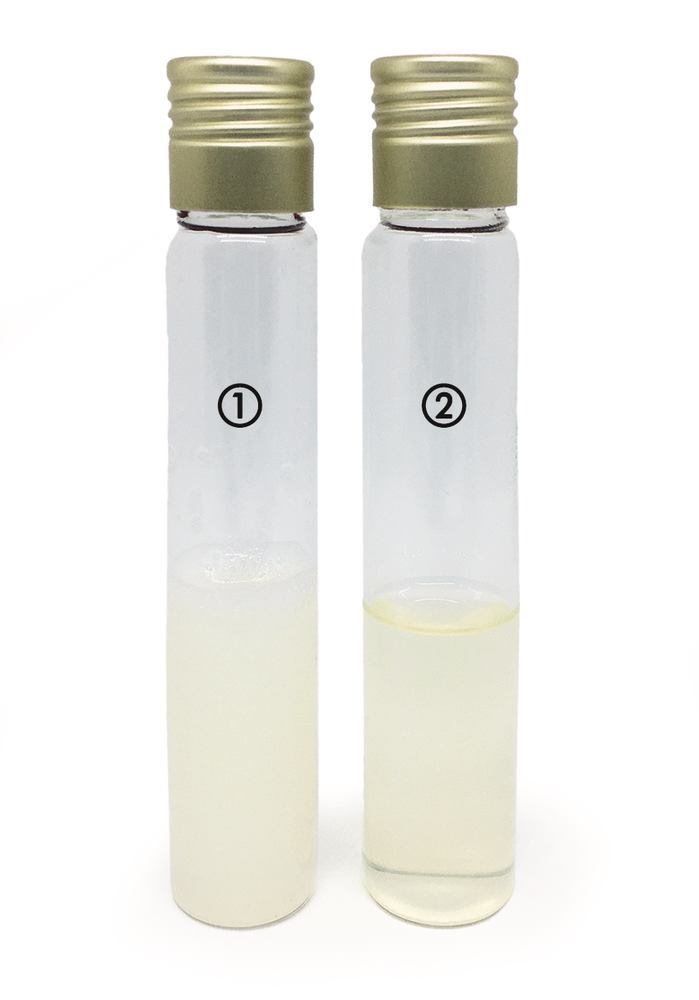


Description
Le bouillon marin est un milieu de culture pour microbiologie fourni pour la préparation en laboratoire de milieux liquides adaptés aux travaux microbiologiques marins et apparentés. Les laboratoires utilisent les formulations de bouillon marin lors de la culture d'organismes nécessitant des environnements nutritifs de type salin ou eau de mer dans le cadre des pratiques microbiologiques générales. Le poids de l'emballage est de 0,604 kg. Positionné parmi les produits chimiques et les consommables de microbiologie, il prend en charge les flux de travail standards de culture en bouillon sans revendication de méthode étiquetée supplémentaire au-delà de son utilisation déclarée pour la microbiologie. Préparez, stérilisez et inoculez conformément à vos procédures validées.
Cet article appartient à la catégorie Milieux de culture déshydratés (bases gélose & bouillon), dans Milieux de culture & microbiologie. Voir aussi Boîtes de Petri.
Caractéristiques principales
- Chlorure de sodium (NaCl) : 19,4 g/l
- Chlorure de magnésium : 8,8 g/l
- Peptone : 5 g/l
- Sulfate de sodium (Na2SO4) : 3,24 g/l
- Chlorure de calcium : 1,8 g/l
- Extrait de levure : 1 g/l
- Chlorure de potassium (KCl) : 0,55 g/l
- Bicarbonate de sodium : 0,16 g/l
- Citrate ferrique : 0,1 g/l
- Bromure de potassium : 0,08 g/l
- Conditionnements : 500 g, 1 kg
- Type de produit : Bouillon marin pour microbiologie
- Forme : Bouillon de culture déshydraté
- Poids de l'emballage : 0,604 kg
- Fiche technique :

- Fiche de données de sécurité :
Compliance & Safety Information
 Avertissement
Hazard Statements (H-Phrases)
Precautionary Statements (P-Phrases)
Récemment consulté
Vous aimerez peut-être aussi
Browse related categories
Category
Sub-category
Dehydrated culture media (agar & broth bases)
Catalogue
Brand
Questions about Bouillon marin, pour microbiologie, 500 g, plastique
What is this article?
Bouillon marin, pour microbiologie, 500 g, plastique is the article on this page. Luminix Health distributes Carl Roth for laboratory use. It sits in Dehydrated culture media (agar & broth bases), inside Culture media & microbiology, in Milieux microbiologiques.
A dehydrated medium is a powder the laboratory dissolves, sterilises and pours. The formulation name, the supplements it still needs, and the grams per litre are the specification. Two powders with similar names, one selective and one not, grow different organisms.
A culture medium is the food and the solid or liquid home of a microorganism. Dehydrated media are powders the laboratory dissolves and sterilises. Ready-to-use plates and tubes are already that. A Petri dish is the plate. Selective media let one kind of organism grow and hold another back. The formulation and the supplements, not the colour of the agar, are the specification. Reference strains are at ATCC. Methods are on PubMed. Biosafety practice is the WHO laboratory biosafety topic.
Which category should I open next?
The category is Culture media & microbiology. The sub-category is Dehydrated culture media (agar & broth bases). The catalogue is Milieux microbiologiques.
Shelves beside this one are Petri dishes, Ready-to-use culture media (plates, tubes, bottles), Microbiology (other), Inoculation loops, spreaders & needles and Microbial identification, hygiene monitoring & rapid tests.
What should I check before I order?
The technical information on this page is the manufacturer's sheet. Read that, not a rewritten specification.
When this page shows a safety data sheet, use that manufacturer file. Hazard text does not belong in the sales description. For a pack size, a grade or a certificate that is not on the page, send a quote request or contact the team.
How does ordering and shipping work?
Luminix Health distributes this article from the heart of Europe. Articles in stock ship within 2–5 business days. Standard delivery is free from €250 excl. VAT. Cold-chain goods and dangerous goods under ADR are never included in that free delivery. The terms are in the Shipping Policy. The full brand index is on shop by brand. Who we are is on about us.
Which other categories should I open?
The seven catalogues are Labware, Lab chemicals, Lab instruments, Lab consumables, Chromatography equipment, Lab safety equipment and Life Science & Microbiology.