


Beschrijving
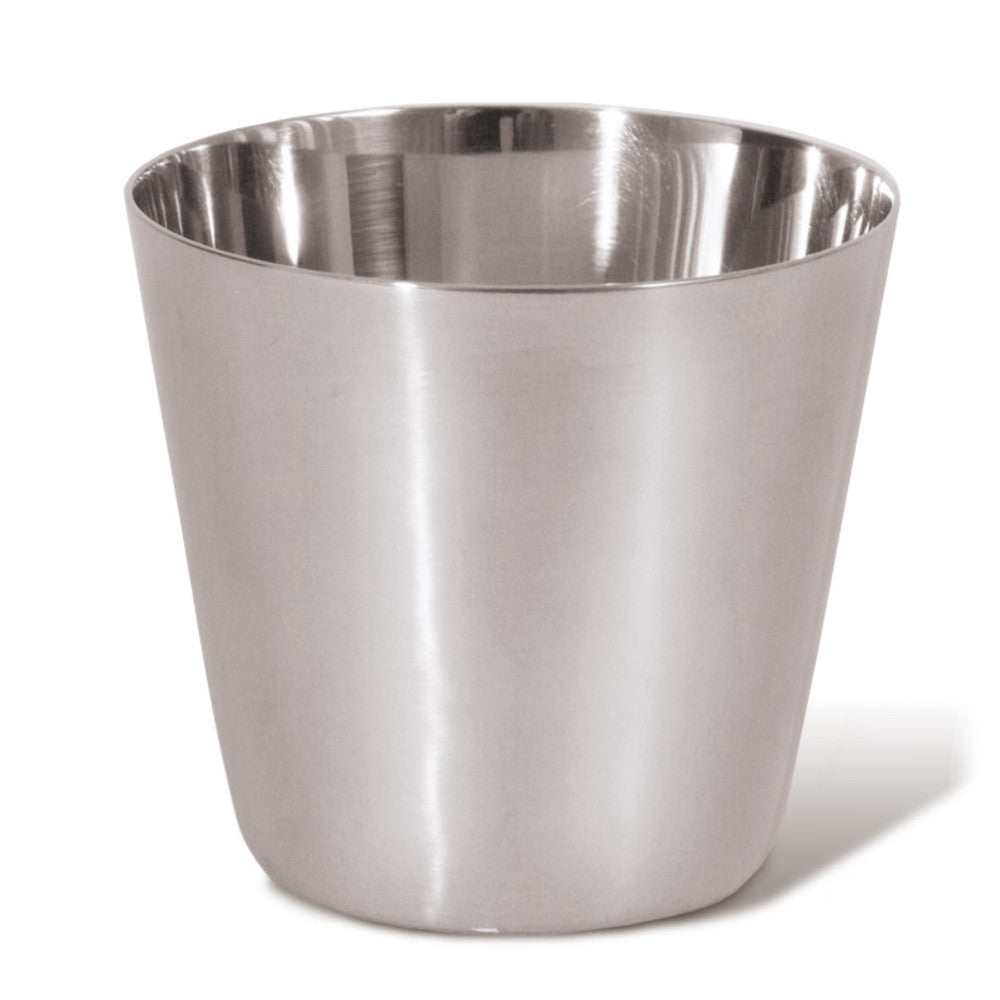
Rotilabo®-beker is een laboratoriumbeker van roestvast staal met een werkcapaciteit van 250 ml voor dagelijkse monster- en vloeistofhantering. Hij staat in het bekerglas- en vatsegment van labmateriaal en is bedoeld voor routinematig bankwerk waarbij een compacte metalen beker de voorkeur heeft boven glas. Het vat wordt geleverd als 1 stuk en heeft een vermeld gewicht van 0.103 kg, zodat het gemakkelijk te plaatsen, te verplaatsen en op te bergen blijft naast balansen, verwarmingsplaten of voorbereidingsstations. De constructie van roestvast staal geeft een robuust lichaam dat geschikt is voor herhaald gebruik in algemene laboratoriumomgevingen, waaronder tijdelijk vasthouden van reagentia, overbrengstappen en eenvoudige natchemische bereidingen. Deze Rotilabo®-beker van fabrikant ROTH SELECTION vult standaard laboratoriumglas, vaten en verbruiksartikelenopstellingen aan zonder complexe accessoires te vereisen. De maat 250 ml ondersteunt taken met middelgroot volume en houdt een duidelijke voetafdruk op de bank. Duidelijke capaciteitsaanduiding in de productbenaming helpt personeel de juiste beker snel te selecteren tijdens setassemblage of aanvulling. Gebruik hem overal waar een duurzame beker van roestvast staal in het Rotilabo®-assortiment is gespecificeerd voor analytische, onderwijs- of preparatieve werkstromen.
Dit artikel maakt deel uit van Monstercontainers & potten, in Flessen & verpakkingen.
Kenmerken
- Verpakkingsgrootte: 1 stuk
- Producttype: Laboratoriumbeker
- Materiaal: Roestvrij staal
- Inhoud: 250 ml
- Gewicht: 0.103 kg
- Merk: Rotilabo®
Recent bekeken
Misschien vind je dit ook leuk
Browse related categories
Category
Sub-category
Catalogue
Brand
Questions about Rotilabo®-beker, roestvast staal, 250 ml, 1 eenheid
What is this article?
Rotilabo®-beker, roestvast staal, 250 ml, 1 eenheid is the article on this page. Luminix Health distributes Carl Roth for laboratory use. It sits in Monstercontainers & potten, inside Flessen & verpakkingen, in Labmateriaal.
A sample container or jar is the vessel the sample travels in, with a closure that survives the trip. The volume and the liner decide whether the sample that arrives is the sample that was taken.
A laboratory bottle is a closed container with a stated volume and a neck that takes a cap, a stopper or a dispenser. Borosilicate glass is the choice when the liquid is a solvent, or when the bottle will be heated or autoclaved. Polyethylene and polypropylene are the choice when the bottle must not shatter, or when hydrofluoric acid would attack glass. A narrow mouth pours. A wide mouth is for powders and for reaching the bottom. Laboratory ware of this kind is indexed under ISO laboratory glassware. Traceable volume sits with the BIPM and NIST Physical Measurement.
Which category should I open next?
The category is Flessen & verpakkingen. The sub-category is Monstercontainers & potten. The catalogue is Labmateriaal.
Shelves beside this one are Laboratoriumglasflessen, Plastic flessen (nauwe & wijde hals), Bidons & jerrycans, Spuitflessen and Flesaccessoires (schenkringen, dispensers, doppen).
What should I check before I order?
The technical information on this page is the manufacturer's sheet. Read that, not a rewritten specification.
When this page shows a safety data sheet, use that manufacturer file. Hazard text does not belong in the sales description. For a pack size, a grade or a certificate that is not on the page, send a quote request or contact the team.
How does ordering and shipping work?
Luminix Health distributes this article from the heart of Europe. Articles in stock ship within 2–5 business days. Standard delivery is free from €250 excl. VAT. Cold-chain goods and dangerous goods under ADR are never included in that free delivery. The terms are in the Shipping Policy. The full brand index is on shop by brand. Who we are is on about us.
Which other categories should I open?
The seven catalogues are Labware, Lab chemicals, Lab instruments, Lab consumables, Chromatography equipment, Lab safety equipment and Life Science & Microbiology.