


Beschrijving
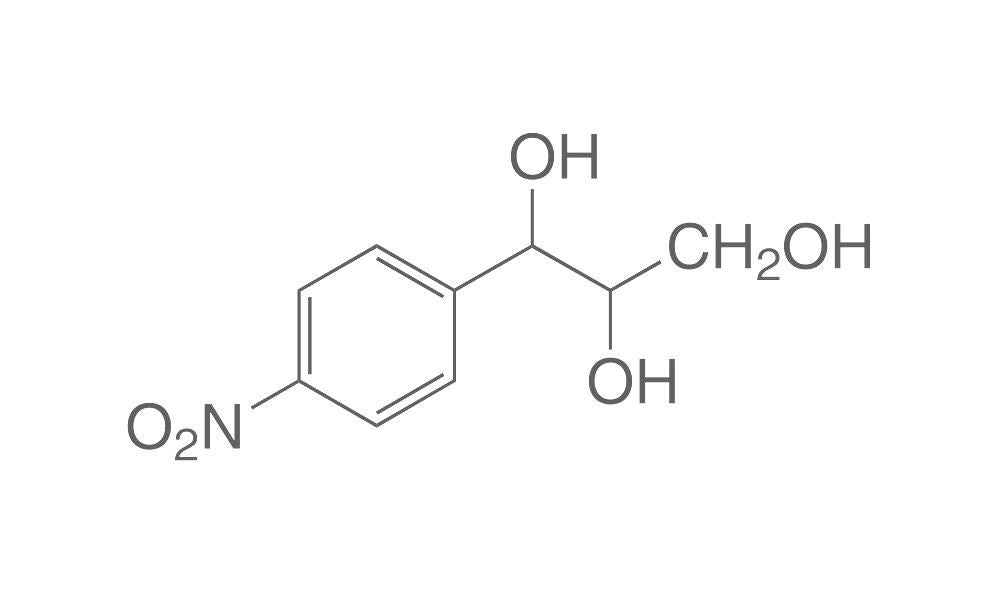
4-Nitrophenylglycerol is een biochemisch reagens, geleverd met een zuiverheid van >98 % voor biochemietoepassingen. Het draagt CAS-nummer 2207-68-3, EG-nummer 218-624-9, empirische formule C₉H₁₁O₅N en een molaire massa van 213.19 g/mol. Het materiaal is Deze kwaliteit van fabrikant Carl ROTH geeft laboratoria een duidelijk geïdentificeerd nitrophenylglycerol-derivaat wanneer protocollen 4-nitrophenylglycerol boven 98 % specificeren. Gedocumenteerde identiteitsgegevens—CAS, EG-nummer, formule en molaire massa—ondersteunen een nauwkeurige invoer in voorraden, elektronische labjournaals en risicobeoordelingen. De compacte glaspresentatie past bij chemicaliënopslag en gedeelde reagensschappen waar gecontroleerde porties de voorkeur hebben boven bulkrecipiënten. Onderzoekers op chemische en life-science-werkbanken kunnen deze verpakking specificeren wanneer biochemieworkflows een gedefinieerd vast reagens van vermelde zuiverheid vereisen. Consistente etikettering van formule en molaire massa helpt ook bij stoichiometrische berekeningen tijdens assay- of syntheseplanning. helpt de hantering van open voorraad te beperken en houdt toch voldoende materiaal bij de hand voor herhaalde kleine proeven.
Dit artikel maakt deel uit van Oplosmiddelen van analytische kwaliteit (p.a.), in Oplosmiddelen.
Kenmerken
- Uiterlijk: witte tot gele kristallen
- Gehalte: >98 %
- Smeltpunt: 98 - 101 °C
- CAS-nummer: 2207-68-3
- Verpakkingsgroottes: 250 mg, 1 g
- EG-nr.: 218-624-9
- Zuiverheid: >98 %
- Brutoformule: C₉H₁₁O₅N
- Molaire massa: 213.19 g/mol
- Technisch datablad:

- Veiligheidsinformatieblad:
Compliance & Safety Information
 Waarschuwing
Hazard Statements (H-Phrases)
Precautionary Statements (P-Phrases)
Recent bekeken
Misschien vind je dit ook leuk
Browse related categories
Category
Sub-category
Oplosmiddelen van analytische kwaliteit (p.a.)
Catalogue
Brand
Questions about 4-Nitrophenylglycerol, >98 %, voor biochemie, 250 mg, glas
What is this article?
4-Nitrophenylglycerol, >98 %, voor biochemie, 250 mg, glas is the article on this page. Luminix Health distributes Carl Roth for laboratory use. It sits in Oplosmiddelen van analytische kwaliteit (p.a.), inside Oplosmiddelen, in Chemicaliën.
An analytical-grade solvent, often marked p.a., has impurity limits tight enough for classical analysis and for preparing reagents. It is not automatically low enough in UV absorbance for HPLC, and it is not dry enough for a water-sensitive reaction. The grade is the purchase.
A solvent dissolves. The grade says which impurities are low enough for the method. Analytical grade is the ordinary pure solvent. HPLC and LC-MS grades limit the absorbance and the ions that would become peaks or background. A dry solvent has had water removed. A deuterated solvent is for NMR, where the hydrogen signal would otherwise drown the sample. Technical grade is for cleaning and for synthesis that does not need a chromatogram. Identity is on PubChem. Names follow IUPAC. Hazards follow ECHA, the CLP Regulation and REACH.
Which category should I open next?
The category is Oplosmiddelen. The sub-category is Oplosmiddelen van analytische kwaliteit (p.a.). The catalogue is Chemicaliën.
Shelves beside this one are Oplosmiddelen van HPLC- & LC-MS-kwaliteit, Droge & gedeutereerde oplosmiddelen (NMR, synthese), Oplosmiddelen van technische & synthesekwaliteit and Groene & alternatieve oplosmiddelen.
What should I check before I order?
When this page shows a safety data sheet, use that manufacturer file. Hazard text does not belong in the sales description. For a pack size, a grade or a certificate that is not on the page, send a quote request or contact the team.
How does ordering and shipping work?
Luminix Health distributes this article from the heart of Europe. Articles in stock ship within 2–5 business days. Standard delivery is free from €250 excl. VAT. Cold-chain goods and dangerous goods under ADR are never included in that free delivery. The terms are in the Shipping Policy. The full brand index is on shop by brand. Who we are is on about us.
Which other categories should I open?
The seven catalogues are Labware, Lab chemicals, Lab instruments, Lab consumables, Chromatography equipment, Lab safety equipment and Life Science & Microbiology.