
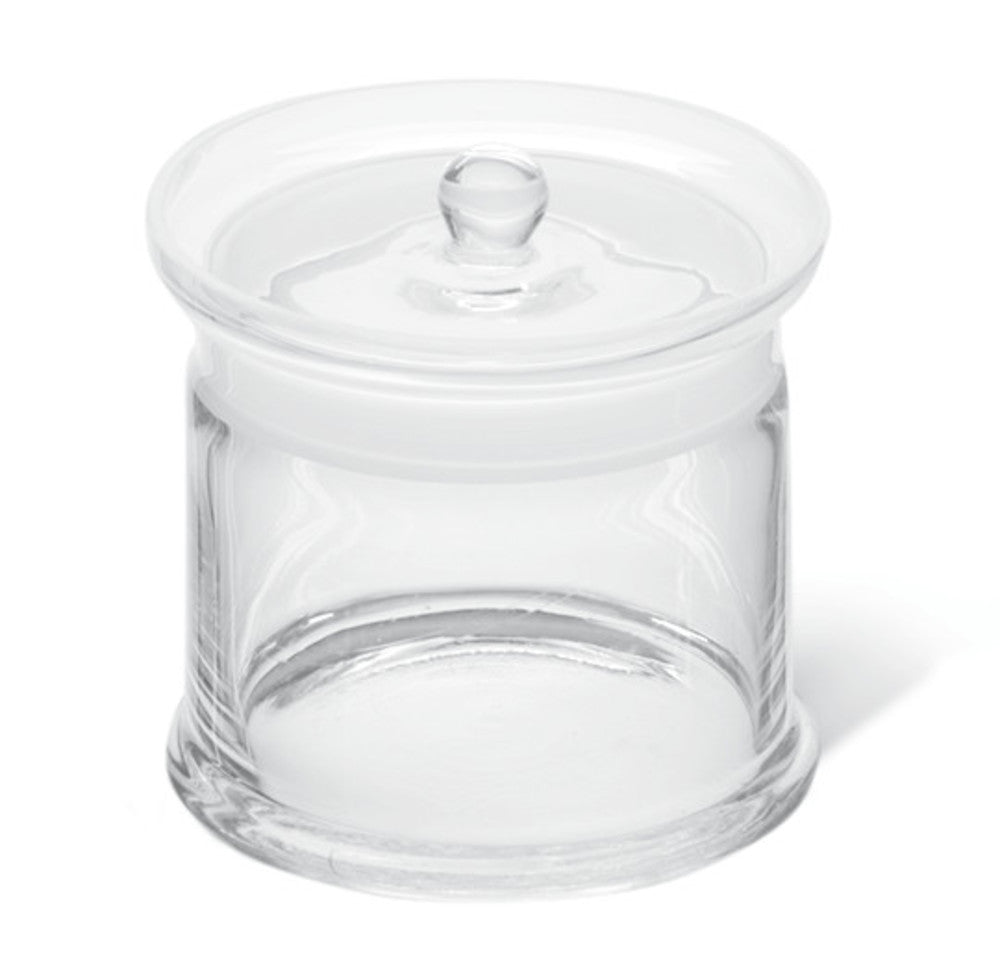


Description
Le bocal à échantillons Rotilabo®, H 500 mm est un récipient à échantillons de laboratoire haut, fabriqué en verre borosilicaté avec un diamètre extérieur de 100 mm et une hauteur de 500 mm. Il convient à la conservation, au stockage et à la présentation de spécimens dans le segment des coupelles à échantillons et des récipients du verre de laboratoire, des récipients et des consommables. La construction en verre borosilicaté fournit un récipient clair et durable pour la manipulation de routine en laboratoire, aux côtés de coupelles, de capsules d'évaporation et de verrerie associée. Livré en 1 pièce avec un poids de 1.3 kg, ce bocal cylindrique allongé offre une capacité verticale importante tout en conservant un diamètre extérieur modéré pour l'organisation sur paillasse et en stockage. Ce bocal à échantillons Rotilabo® du fabricant ROTH SELECTION est une option pratique d'une seule unité pour les laboratoires qui ont besoin d'un récipient à échantillons en verre plus haut aux dimensions définies. La hauteur de 500 mm combinée au diamètre extérieur de 100 mm prend en charge les flux de travail qui exigent une plus grande profondeur d'échantillon ou des formats de spécimens allongés. Sélectionnez ce modèle lorsqu'un bocal à spécimens en verre borosilicaté haut de ce diamètre est nécessaire pour des applications générales d'échantillons de laboratoire.
Cet article fait partie de Récipients & bocaux d'échantillons, dans Bouteilles et contenants.
Caractéristiques
- Conditionnement: 1 pièce
- Type de produit: Bocal à échantillons
- Matériau: Verre borosilicaté
- Hauteur: 500 mm
- Diamètre extérieur: 100 mm
- Poids: 1.3 kg
Récemment consulté
Vous aimerez peut-être aussi
Questions about Rotilabo®-bocal à échantillons, H 500 mm, verre borosilicaté, Ø extérieur 100 mm, 1 unité
What is this article?
Rotilabo®-bocal à échantillons, H 500 mm, verre borosilicaté, Ø extérieur 100 mm, 1 unité is the article on this page. Luminix Health distributes Carl Roth for laboratory use. It sits in Récipients & bocaux d'échantillons, inside Bouteilles et contenants, in Matériel de laboratoire.
A sample container or jar is the vessel the sample travels in, with a closure that survives the trip. The volume and the liner decide whether the sample that arrives is the sample that was taken.
A laboratory bottle is a closed container with a stated volume and a neck that takes a cap, a stopper or a dispenser. Borosilicate glass is the choice when the liquid is a solvent, or when the bottle will be heated or autoclaved. Polyethylene and polypropylene are the choice when the bottle must not shatter, or when hydrofluoric acid would attack glass. A narrow mouth pours. A wide mouth is for powders and for reaching the bottom. Laboratory ware of this kind is indexed under ISO laboratory glassware. Traceable volume sits with the BIPM and NIST Physical Measurement.
Which category should I open next?
The category is Bouteilles et contenants. The sub-category is Récipients & bocaux d'échantillons. The catalogue is Matériel de laboratoire.
Shelves beside this one are Flacons en verre de laboratoire, Bouteilles en plastique (goulot étroit & large), Bidons & jerrycans, Pissettes and Accessoires pour bouteilles (bagues de versement, distributeurs, bouchons).
What should I check before I order?
The technical information on this page is the manufacturer's sheet. Read that, not a rewritten specification.
When this page shows a safety data sheet, use that manufacturer file. Hazard text does not belong in the sales description. For a pack size, a grade or a certificate that is not on the page, send a quote request or contact the team.
How does ordering and shipping work?
Luminix Health distributes this article from the heart of Europe. Articles in stock ship within 2–5 business days. Standard delivery is free from €250 excl. VAT. Cold-chain goods and dangerous goods under ADR are never included in that free delivery. The terms are in the Shipping Policy. The full brand index is on shop by brand. Who we are is on about us.
Which other categories should I open?
The seven catalogues are Labware, Lab chemicals, Lab instruments, Lab consumables, Chromatography equipment, Lab safety equipment and Life Science & Microbiology.