


Description
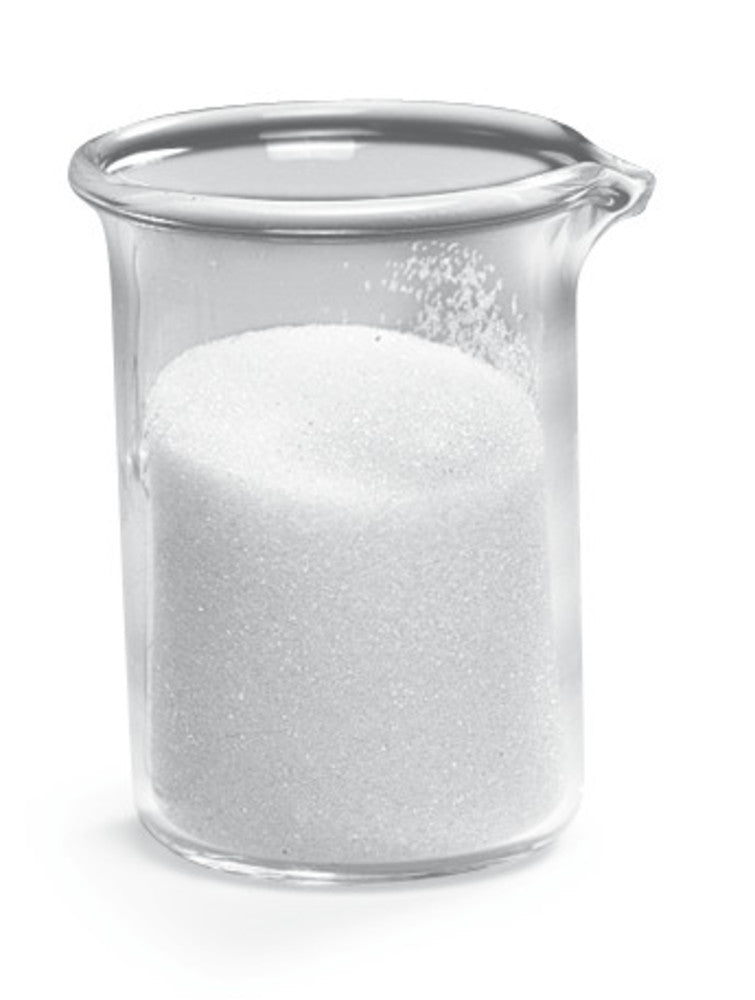
Glass beads, reflex beads are larger soda-lime glass spheres with a diameter range of 2,85–3,45 mm, supplied in a 1 kg pack for laboratory boiling and packing use. With a density of 2,5 g/cm³, these beads form an open, free-flowing bed that supports uniform heating and controlled bubble formation in flasks and process vessels. Applied as boiling stones or coarse packing, they help suppress bumping, improve heat transfer and aid gentle agitation during distillation, concentration and related procedures. The comparatively large diameter simplifies handling, visual checks and recovery after work-up, making them suitable where fine beads are less practical. Soda-lime glass construction is appropriate for routine aqueous media and many standard organic laboratory solvents. These reflex beads (ROTH SELECTION) serve typical labware needs among boiling pebbles, glass beads and floating aids. The 1 kg unit quantity is convenient for stock rooms and multi-user benches. Select this grade when a robust bead size and more open packing geometry are required for reliable boiling control.
This article is part of Laboratory cleaners & detergents, in Cleaning & disinfection.
Key features
- Pack size: 1 kg
- Density: 2,5 g/cm³
- Product type: Glass beads, reflex beads
- Material: Soda-lime glass
- Diameter: 2,85–3,45 mm
- Technical Information Sheet:

- Safety Data Sheet:
Recently viewed
You may also like
Questions about Glass beads, reflex beads, made of soda-lime glass, Ø 2.85 - 3.45 mm, 1 kg
What is this article?
Glass beads, reflex beads, made of soda-lime glass, Ø 2.85 - 3.45 mm, 1 kg is the article on this page. Luminix Health distributes Carl Roth for laboratory use. It sits in Laboratory cleaners & detergents, inside Cleaning & disinfection, in Lab safety equipment.
A laboratory cleaner removes soil, grease and residues from glassware and benches. Phosphate, surfactant and whether it is for a machine or for the hand are the differences. A cleaner is not a disinfectant unless a biocidal claim is printed, with a contact time.
Cleaning removes soil. Disinfection kills or inactivates microbes that remain. They are not the same step, and a disinfectant on top of dirt does less than the label claims. The spectrum, the contact time and the surface decide the product. A wipe is the mechanical half of the same job. Chemical classification is on ECHA. Workplace practice is EU-OSHA on dangerous substances. Biosafety context is the WHO biosafety topic.
Which category should I open next?
The category is Cleaning & disinfection. The sub-category is Laboratory cleaners & detergents. The catalogue is Lab safety equipment.
Shelves beside this one are Wipes, tissues & paper towels, Cleaning & disinfection (other) and Disinfectants & biocides.
What should I check before I order?
The technical information on this page is the manufacturer's sheet. Read that, not a rewritten specification.
When this page shows a safety data sheet, use that manufacturer file. Hazard text does not belong in the sales description. For a pack size, a grade or a certificate that is not on the page, send a quote request or contact the team.
How does ordering and shipping work?
Luminix Health distributes this article from the heart of Europe. Articles in stock ship within 2–5 business days. Standard delivery is free from €250 excl. VAT. Cold-chain goods and dangerous goods under ADR are never included in that free delivery. The terms are in the Shipping Policy. The full brand index is on shop by brand. Who we are is on about us.
Which other categories should I open?
The seven catalogues are Labware, Lab chemicals, Lab instruments, Lab consumables, Chromatography equipment, Lab safety equipment and Life Science & Microbiology.