


Description
(+)-Camphor is a bicyclic monoterpene ketone supplied at a minimum purity of 98 % for laboratory use. It is characterised by CAS number 464-49-3, EG number 207-355-2 and the empirical formula C₁₀H₁₆O, with a molar mass of 152,24 g/mol. Reported physical properties include a density of 0,994 g/cm³, a boiling point of 210 °C and a flash point of 66 °C. The material is packed as 250 g in a plastic container, convenient for organic synthesis, formulation studies and analytical reference applications. (+)-Camphor from manufacturer Carl ROTH is employed as a chiral building block, fragrance and flavour research chemical, and laboratory standard where the defined enantiomer and purity level are required. Documented identity and molar mass support reproducible weighing and concentration preparation in teaching, research and industrial R&D settings. Users can introduce the substance into reaction sequences, calibration mixtures or physical-property demonstrations that call for well-characterised camphor. The bulk pack size suits both repeated small-scale experiments and larger laboratory consumption while remaining within the stated minimum assay of 98 %.
This article is part of Essential oils & fragrances, in Natural products & essential oils.
Key features
- Appearance: colourless crystals
- Assay (GC): ≥98 %
- Melting point: 177-182 °C
- CAS number: 464-49-3
- Pack size: 250 g plastic
- EG nr.: 207-355-2
- Purity: min. 98 %
- Empirical formula: C₁₀H₁₆O
- Molar mass: 152,24 g/mol
- Technical Information Sheet:

- Safety Data Sheet:
Compliance & Safety Information
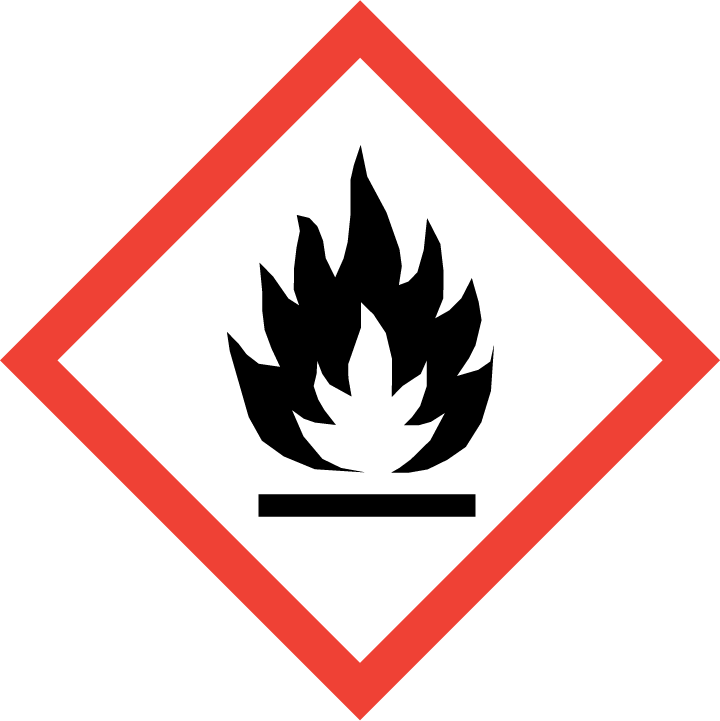
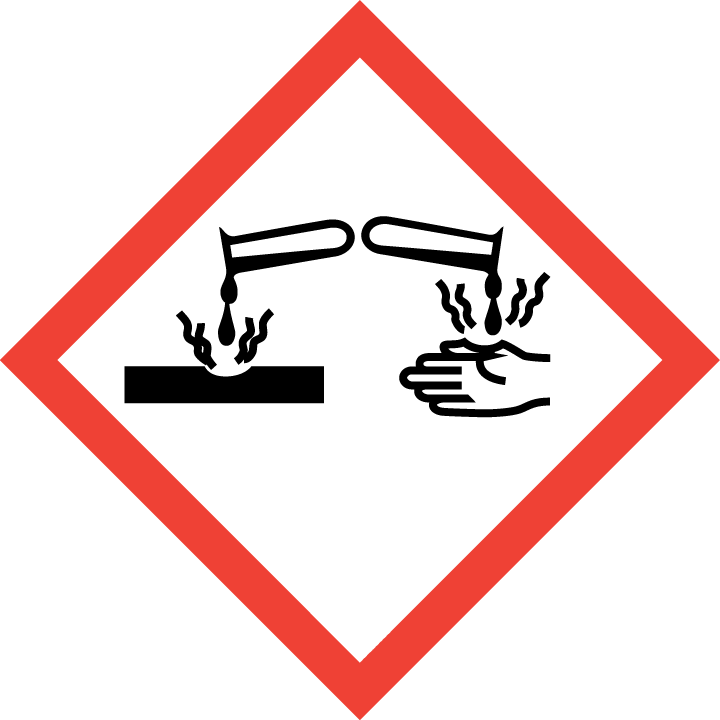

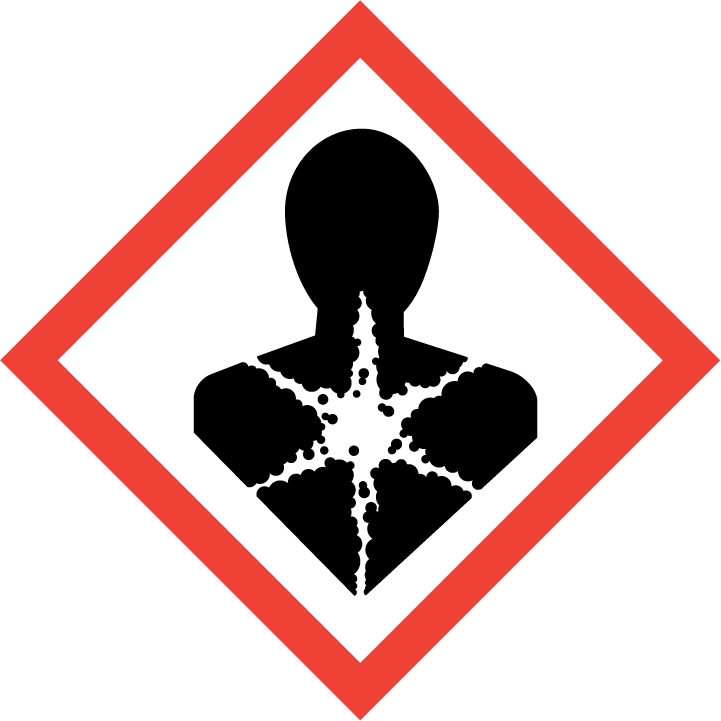 Danger
Hazard Statements (H-Phrases)
Precautionary Statements (P-Phrases)


Recently viewed
You may also like
Questions about (+)-Camphor, min. 98 %, 250 g, plastic
What is this article?
(+)-Camphor, min. 98 %, 250 g, plastic is the article on this page. Luminix Health distributes Carl Roth for laboratory use. It sits in Essential oils & fragrances, inside Natural products & essential oils, in Lab chemicals.
An essential oil is the volatile fraction distilled or pressed from a named plant part. The species, the chemotype and a stated component, when the seller gives one, are the specification. A fragrance compound is a formulated mixture. The two should not be treated as the same bottle.
A natural product is a molecule extracted from a plant, an animal or a microorganism, or a mixture of those molecules. An essential oil is the volatile fraction. The useful specification is the source species, the plant part and, where it exists, the stated content of a marker compound. Two oils with the same common name are not the same article. Marker compounds are identified on PubChem and named by IUPAC.
Which category should I open next?
The category is Natural products & essential oils. The sub-category is Essential oils & fragrances. The catalogue is Lab chemicals.
Shelves beside this one are Natural products & phytochemicals.
What should I check before I order?
When this page shows a safety data sheet, use that manufacturer file. Hazard text does not belong in the sales description. For a pack size, a grade or a certificate that is not on the page, send a quote request or contact the team.
How does ordering and shipping work?
We deliver across the EU, usually within 2 to 5 working days. More is on Delivery across the EU. The terms are in the Shipping Policy. The full brand index is on shop by brand. Who we are is on about us.
Which other categories should I open?
The seven catalogues are Labware, Lab chemicals, Lab instruments, Lab consumables, Chromatography equipment, Lab safety equipment and Life Science & Microbiology.

