
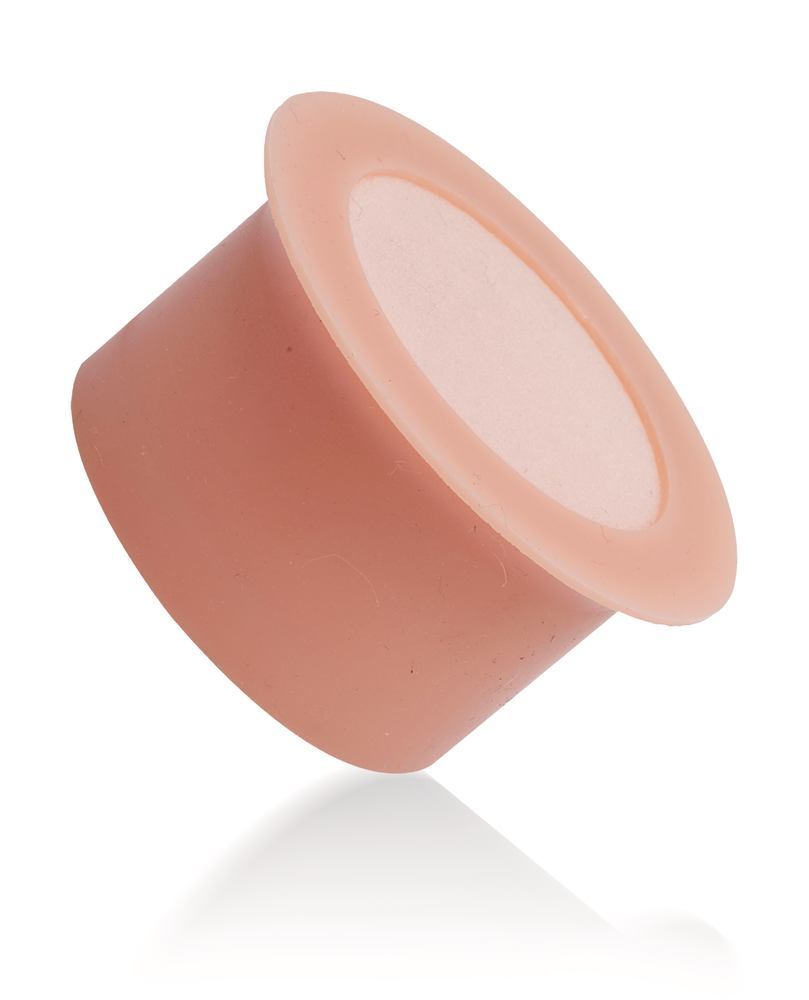


Description
SILICOSEN® screw caps are laboratory closures intended for culture vessels with neck diameters from 27 to 40 mm. Supplied as a pack of 10 pc(s), they form a practical accessory set for everyday work with culture vials in microbiology, molecular biology and cell-culture environments. The caps support secure covering of compatible glass or plastic vessels during incubation, storage and routine handling on the bench. With a pack weight of 0,170 kg, the unit is easy to store and keep ready beside media preparation or culture stations. These SILICOSEN® screw caps from manufacturer Hirschmann fit the stated diameter range of 27–40 mm and are positioned among culture-vial accessories used when vessels must be closed quickly between sampling, media exchange or transfer steps. They suit laboratories that standardise closures across several bottle and flask formats within this neck-size window. Clear sizing information helps match the caps to existing vessel inventories without guesswork. Use them wherever dependable screw-cap coverage is required for culture work in the 27–40 mm diameter class, keeping consumables organised and ready for repeated daily use in research and routine laboratory settings.
This article belongs on Biological buffers (Tris, HEPES, MOPS), in Buffers & pH solutions.
Key features
- Pack size: 10 pc(s)
- Product type: Screw caps
- Brand: SILICOSEN®
- Diameter range: Ø 27–40 mm
- Weight: 0,170 kg
- Application area: Culture vial accessories
Recently viewed
You may also like
Browse related categories
Category
Sub-category
Biological buffers (Tris, HEPES, MOPS)
Catalogue
Brand
Questions about SILICOSEN® screw caps, for Ø 27-40 mm, 10 unit(s)
What is this article?
SILICOSEN® screw caps, for Ø 27-40 mm, 10 unit(s) is the article on this page. Luminix Health distributes Hirschmann for laboratory use. It sits in Biological buffers (Tris, HEPES, MOPS), inside Buffers & pH solutions, in Lab chemicals.
Tris, HEPES, MOPS and their relatives hold pH in a range that cells and proteins tolerate, with a pKa near the working pH. The useful range is roughly one unit either side of the pKa. A phosphate buffer and Tris are not interchangeable in a method that names one of them, because the ion itself has effects.
A buffer resists a change in pH when a little acid or base is added. It does that because a weak acid and its conjugate base are both present. A pH buffer used to calibrate a meter has a stated value at a stated temperature. A biological buffer such as Tris or HEPES is chosen because it holds the pH of a living system and does not poison it. Conductivity standards are the sister articles for a conductivity meter. The ions are on PubChem. Electrode calibration practice sits with EURAMET and BELAC.
Which category should I open next?
The category is Buffers & pH solutions. The sub-category is Biological buffers (Tris, HEPES, MOPS). The catalogue is Lab chemicals.
Shelves beside this one are pH buffers & conductivity standards and Buffers (other).
What should I check before I order?
The technical information on this page is the manufacturer's sheet. Read that, not a rewritten specification.
When this page shows a safety data sheet, use that manufacturer file. Hazard text does not belong in the sales description. For a pack size, a grade or a certificate that is not on the page, send a quote request or contact the team.
How does ordering and shipping work?
Luminix Health distributes this article from the heart of Europe. Articles in stock ship within 2–5 business days. Standard delivery is free from €250 excl. VAT. Cold-chain goods and dangerous goods under ADR are never included in that free delivery. The terms are in the Shipping Policy. The full brand index is on shop by brand. Who we are is on about us.
Which other categories should I open?
The seven catalogues are Labware, Lab chemicals, Lab instruments, Lab consumables, Chromatography equipment, Lab safety equipment and Life Science & Microbiology.