


Description
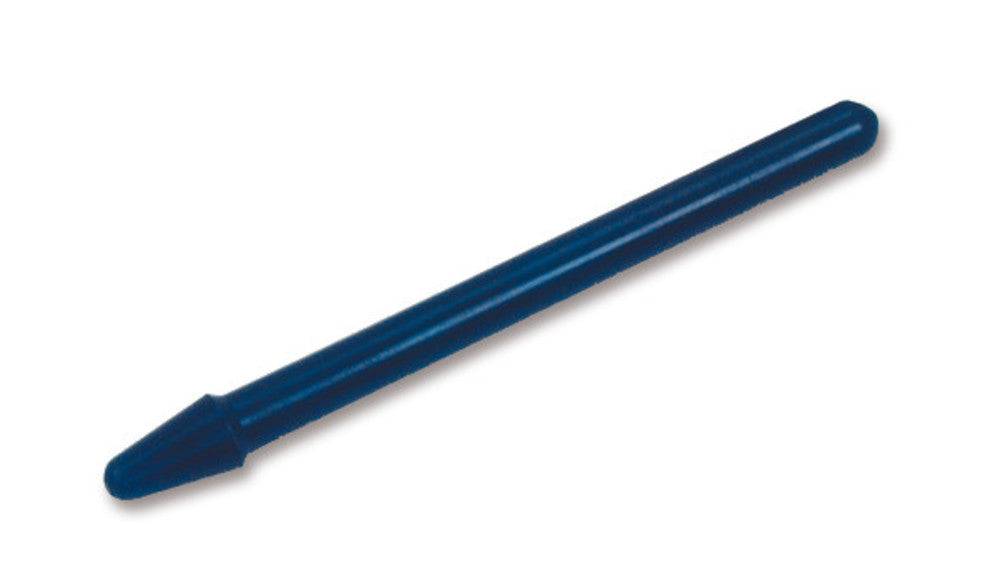
PP-pestle is a cone-shaped polypropylene pestle with an overall length of 70 mm for manual homogenisation and sample disruption in laboratory workflows. Offered as a pack of 10 pieces with a total weight of 0,021 kg, these pestles are practical consumables for tissue-culture, microbiology and molecular-biology benches. The cone-shaped geometry supports grinding and dispersing of soft samples in matching tubes or vessels commonly used during cell-culture and homogenisation steps. Polypropylene construction keeps each pestle lightweight and convenient for routine preparation before further analytical or culture work. Within homogeniser accessory ranges, dedicated pestles help standardise handling when multiple specimens are processed in parallel. This PP-pestle from manufacturer ROTH SELECTION complements labware selections for tissue-culture accessories and small-scale homogenisation tasks. Laboratories can integrate the 70 mm cone-shaped design into everyday sample-preparation protocols where manual disruption is required. The ten-unit pack supports continuous bench supply and straightforward replacement without frequent single-piece reordering.
This article is part of Mortars & pestles, in Dishes, crucibles & porcelain.
Key features
- Pack size: 10 pc(s)
- Product type: PP pestle
- Material: Polypropylene (PP)
- Shape: Cone-shaped
- Overall length: 70 mm
- Weight: 0,021 kg
Recently viewed
You may also like
Browse related categories
Category
Sub-category
Catalogue
Brand
Questions about PP-pestle, cone-shaped, overall length 70 mm, 10 unit(s)
What is this article?
PP-pestle, cone-shaped, overall length 70 mm, 10 unit(s) is the article on this page. Luminix Health distributes Carl Roth for laboratory use. It sits in Mortars & pestles, inside Dishes, crucibles & porcelain, in Labware.
A mortar and pestle grind a solid by hand. Porcelain is the ordinary laboratory set. Agate and glass are chosen when the sample must not pick up porcelain dust. The unglazed grinding surface, not the glossy outside, does the work.
A dish is an open vessel for drying, evaporating or holding a solid. Porcelain and glazed ceramic take a higher temperature than borosilicate glass, which is why a crucible, not a beaker, goes into a furnace. A watch glass covers, or holds a small amount for drying. A mortar is for grinding. The temperature and the chemical, not the shape alone, choose the material. Laboratory ware of this family is listed under ISO laboratory ware.
Which category should I open next?
The category is Dishes, crucibles & porcelain. The sub-category is Mortars & pestles. The catalogue is Labware.
Shelves beside this one are Crucibles, Trays, bowls & tubs, Watch glasses & crystallising dishes, Evaporating dishes and Dishes (other).
What should I check before I order?
The technical information on this page is the manufacturer's sheet. Read that, not a rewritten specification.
When this page shows a safety data sheet, use that manufacturer file. Hazard text does not belong in the sales description. For a pack size, a grade or a certificate that is not on the page, send a quote request or contact the team.
How does ordering and shipping work?
Luminix Health distributes this article from the heart of Europe. Articles in stock ship within 2–5 business days. Standard delivery is free from €250 excl. VAT. Cold-chain goods and dangerous goods under ADR are never included in that free delivery. The terms are in the Shipping Policy. The full brand index is on shop by brand. Who we are is on about us.
Which other categories should I open?
The seven catalogues are Labware, Lab chemicals, Lab instruments, Lab consumables, Chromatography equipment, Lab safety equipment and Life Science & Microbiology.