


Description
Label remover with NSF certificate SOLVENT 50 SUPER is a solvent-based spray preparation for removing adhesive labels and residual glue from laboratory glassware, bottles, instruments and technical surfaces. The product is supplied in a 200 ml pack sized for routine bench and workshop use. Key physical data include a density of 0,81 g/cm³ and a flash point of -35 °C; transport classification is UN number 1950. NSF certification supports use where documented cleaning agents are preferred in controlled environments. Offered by manufacturer CRC, SOLVENT 50 SUPER enables targeted application so labels can be lifted cleanly with less scraping, helping keep containers and equipment ready for fresh identification. It fits cleaning, care and spray-bottle workflows in laboratories and technical facilities that need a practical label-removal aid with clearly stated density, flash-point and UN data for everyday professional handling.
This article is part of Laboratory labels, in Labels, signs & marking.
Key features
- Pack size: 200 ml
- Density: 0,81 g/cm³
- Flash point: -35 °C
- Product: SOLVENT 50 SUPER label remover
- UN nr.: 1950
- Technical Information Sheet:

- Safety Data Sheet:
Compliance & Safety Information
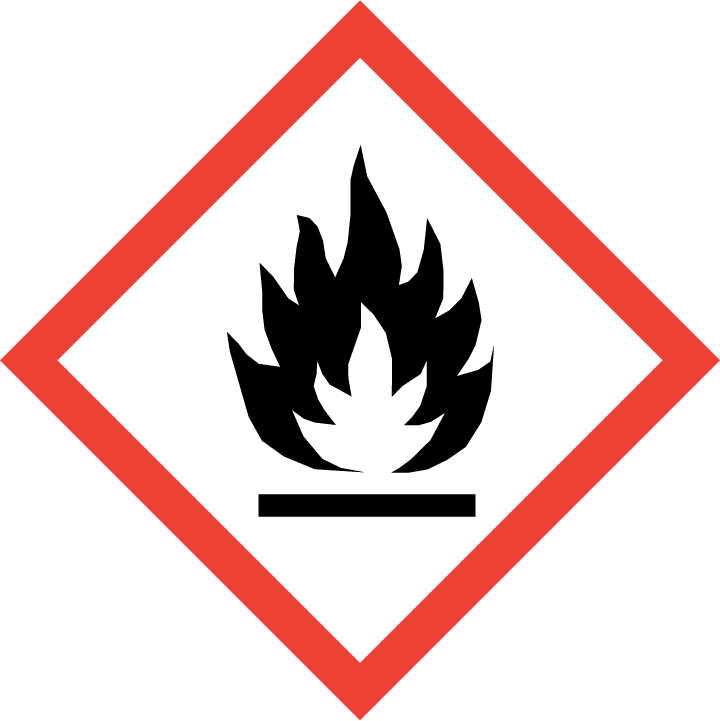
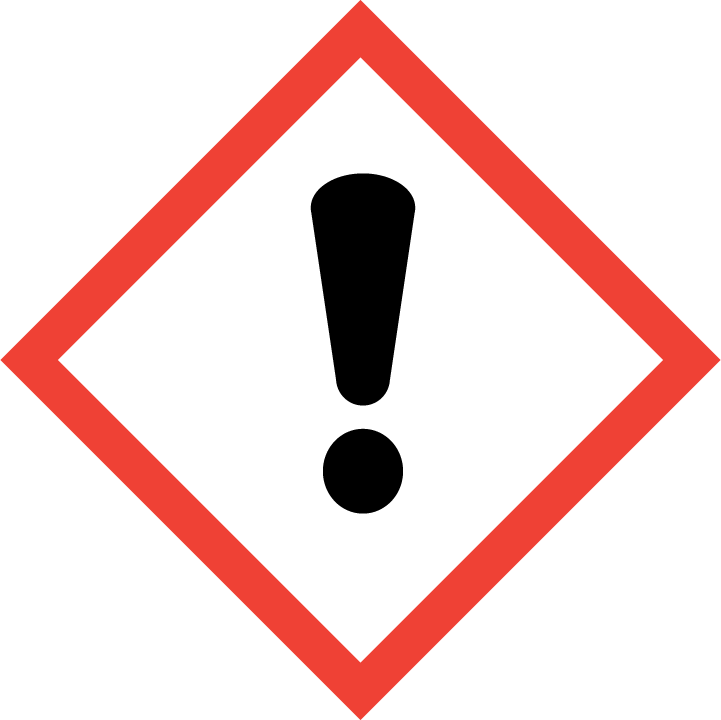
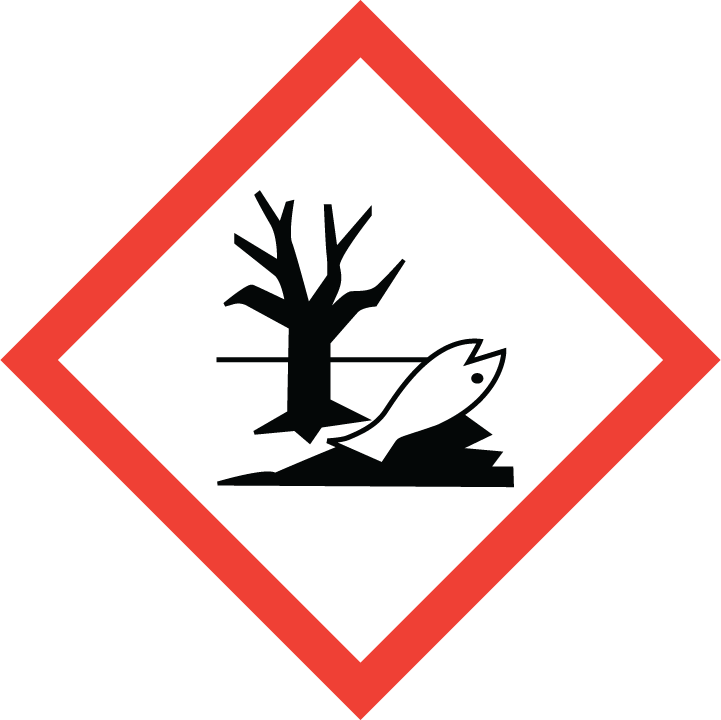 Danger
Hazard Statements (H-Phrases)
Precautionary Statements (P-Phrases)






Recently viewed
You may also like
Browse related categories
Category
Sub-category
Catalogue
Brand
Questions about Label remover with NSF certificate, SOLVENT 50 SUPER, 200 ml
What is this article?
Label remover with NSF certificate, SOLVENT 50 SUPER, 200 ml is the article on this page. Luminix Health distributes CRC for laboratory use. It sits in Laboratory labels, inside Labels, signs & marking, in Lab safety equipment.
A laboratory label has to stick to a cold, a wet or a curved surface and stay legible. Cryo labels, autoclave labels and ordinary bench labels are different adhesives. The size and whether it takes pencil, print or a thermal transfer are the choices.
A label is how the next person knows what is in the bottle. A GHS label carries the pictogram, the signal word and the hazard statements the classification requires. A tape or a marker is only as useful as its survival in the freezer, the autoclave or the solvent it will meet. A safety sign is the instruction that stays on the door. The pictograms come from the CLP Regulation and are explained by ECHA CLP. Workplace signs sit with EU-OSHA.
Which category should I open next?
The category is Labels, signs & marking. The sub-category is Laboratory labels. The catalogue is Lab safety equipment.
Shelves beside this one are Labelling & marking tape, GHS & hazard labels, Markers & pens, Safety signs & pictograms and Labels & marking (other).
What should I check before I order?
The technical information on this page is the manufacturer's sheet. Read that, not a rewritten specification.
When this page shows a safety data sheet, use that manufacturer file. Hazard text does not belong in the sales description. For a pack size, a grade or a certificate that is not on the page, send a quote request or contact the team.
How does ordering and shipping work?
We deliver across the EU, usually within 2 to 5 working days. More is on Delivery across the EU. The terms are in the Shipping Policy. The full brand index is on shop by brand. Who we are is on about us.
Which other categories should I open?
The seven catalogues are Labware, Lab chemicals, Lab instruments, Lab consumables, Chromatography equipment, Lab safety equipment and Life Science & Microbiology.

