


Description
PAS staining kit is a microscopy staining kit supplied as one complete kit in glass packaging. It is intended for laboratory microscopy workflows that follow the periodic acid–Schiff (PAS) method. The preparation is characterised by a density of approximately 1 g/cm³. Histology and pathology laboratories employ PAS kits when a coordinated set of reagents is required for standardised staining runs on tissue sections. This kit from manufacturer Carl ROTH brings the necessary components together in a single unit, simplifying ordering and bench organisation. The glass presentation suits storage and dispensing at the staining station in research, teaching and diagnostic environments. With a kit weight of about 1,487 kg, the package provides a substantial working quantity for repeated microscopy sessions. Classification among microscopy chemicals underlines its place beside other ready staining preparations. Users who need a dedicated PAS staining kit for laboratory microscopy will find the one-kit glass format practical for routine protocols and training laboratories alike.
This article is part of Microscopy stains & staining solutions, in Dyes, stains & indicators.
Key features
- Periodic acid solution 1 % (Art. No. HP00): 500 ml
- Schiff´s reagent (Art. No. X900): 500 ml
- Hemalum solution acid acc. to Mayer (Art. No. T865): 500 ml
- Pack size: 1 kit glass
- Density: ~1 g/cm³
- Storage temperature: +15 to +25 °C
- Product type: PAS staining kit
- Technical Information Sheet:

- Safety Data Sheet:
Compliance & Safety Information
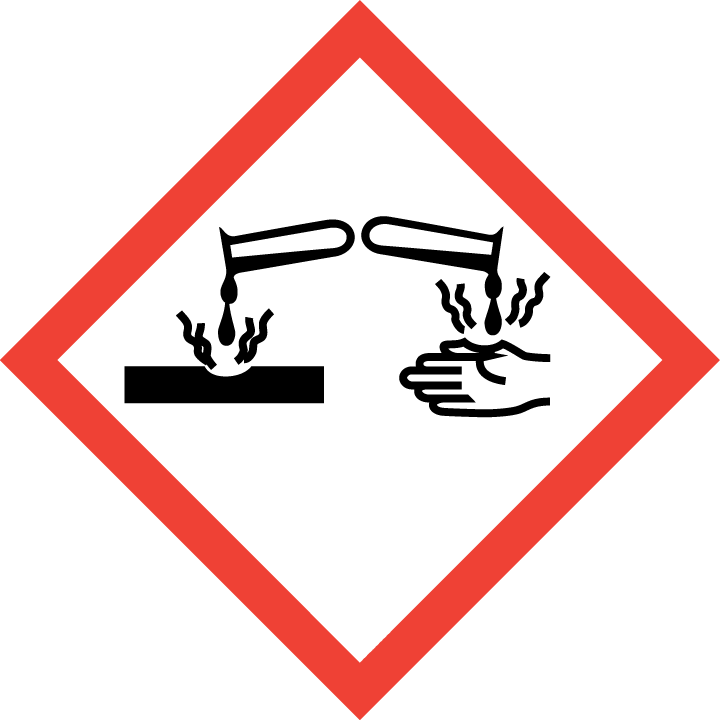

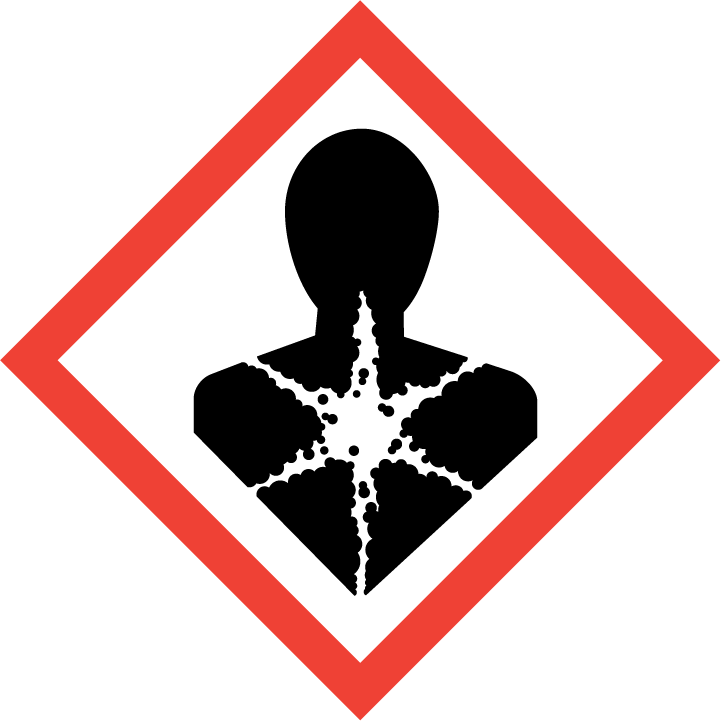 Danger
Hazard Statements (H-Phrases)
Precautionary Statements (P-Phrases)
Recently viewed
You may also like
Browse related categories
Category
Sub-category
Microscopy stains & staining solutions
Catalogue
Brand
Questions about PAS staining kit, for microscopy, 1 kit, glass
What is this article?
PAS staining kit, for microscopy, 1 kit, glass is the article on this page. Luminix Health distributes Carl Roth for laboratory use. It sits in Microscopy stains & staining solutions, inside Dyes, stains & indicators, in Lab chemicals.
A microscopy stain binds a structure so it can be seen: haematoxylin on nuclei, eosin on cytoplasm, Gram reagents on a bacterial wall. A ready solution and a dry dye to be dissolved are different articles. The method names the stain. A substitute dye is a different method.
A dye or a stain binds, or changes colour, so that something invisible becomes visible. An indicator changes at a pH or a redox point. A fluorescent dye absorbs one wavelength and emits another, which is how a microscope or a plate reader picks it out. The excitation and emission, or the transition interval, are the specification. The colour name on the label is not. Structures are on PubChem under IUPAC names. Methods are in the PubMed literature.
Which category should I open next?
The category is Dyes, stains & indicators. The sub-category is Microscopy stains & staining solutions. The catalogue is Lab chemicals.
Shelves beside this one are Fluorescent dyes & labels and Dyes & pigments.
What should I check before I order?
When this page shows a safety data sheet, use that manufacturer file. Hazard text does not belong in the sales description. For a pack size, a grade or a certificate that is not on the page, send a quote request or contact the team.
How does ordering and shipping work?
We deliver across the EU, usually within 2 to 5 working days. More is on Delivery across the EU. The terms are in the Shipping Policy. The full brand index is on shop by brand. Who we are is on about us.
Which other categories should I open?
The seven catalogues are Labware, Lab chemicals, Lab instruments, Lab consumables, Chromatography equipment, Lab safety equipment and Life Science & Microbiology.

