




Description
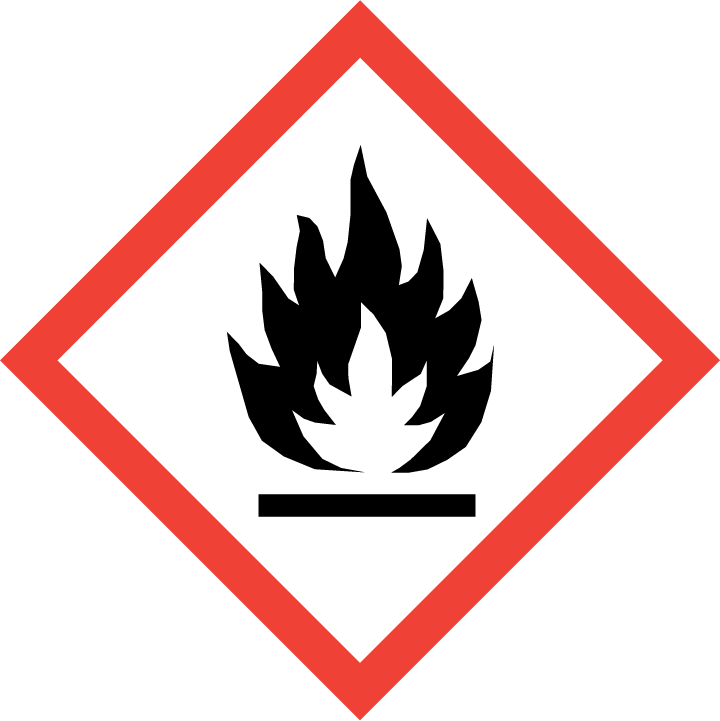
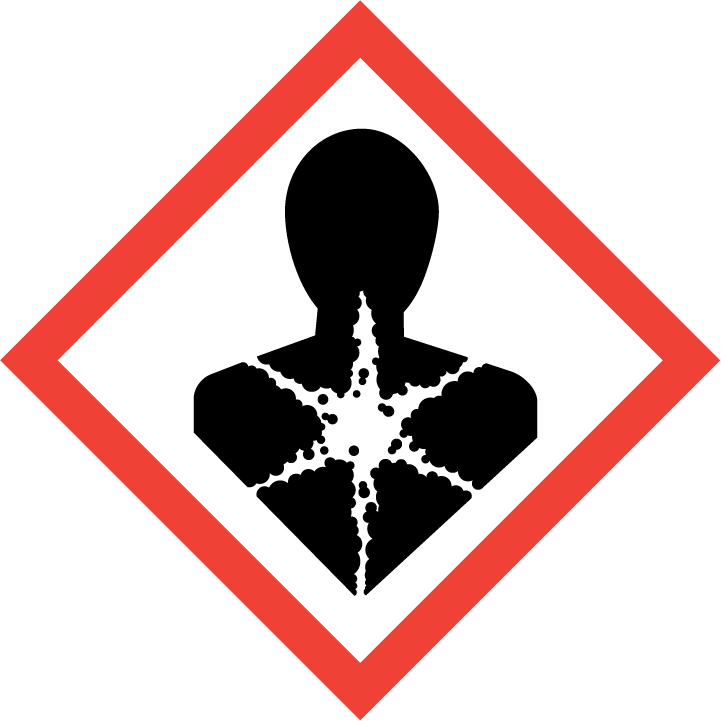
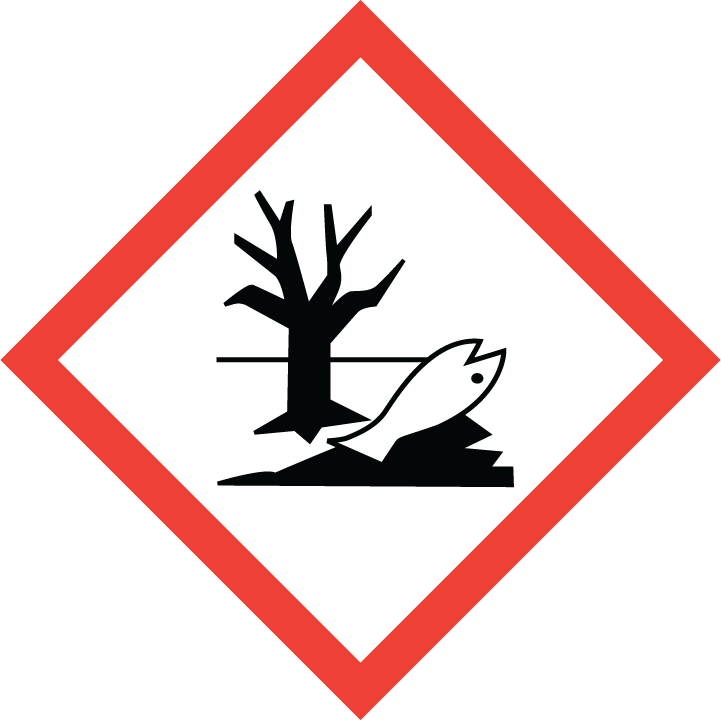
Xylene substitute is a laboratory reagent supplied in a 2500 ml pack for professional use where an alternative to conventional xylene is specified. Listed among microbiology reagents, the product is offered by manufacturer Labbox under the LABKEM product type and is characterised by a net weight of 3,200 kg and a gross weight of 3,200000 kg per unit. Hazard classification data include Flam. Liq. 2; H225, Skin Irrit. 2; H315, Repr. 2; H361, STOT RE 2; H373, Asp. Tox. 1; H304 and Aquatic Chronic 2; H411, with GHS labelling GHS02, GHS07, GHS08 and GHS09. Country of origin is Bulgaria. The preparation is intended for controlled laboratory environments that require this reagent format and volume. Packaging volume is stated as 2,500000 m³. Users should observe the stated hazard statements and apply appropriate laboratory handling practices for flammable and health-classified liquids when working with this xylene substitute in analytical or microbiology workflows.
This article is part of Histology reagents & consumables, in Microscopy & histology.
Key features
- Pack size: 2500 ml
- Product type: LABKEM
- EAN: 8434868081796
- Technical Information Sheet:

Compliance & Safety Information

More from this brand


More from this category


Recently viewed
You may also like
Questions about Xylene Substitute, 2500ml
What is this article?
Xylene Substitute, 2500ml is the article on this page. Luminix Health distributes Labbox for laboratory use. It sits in Histology reagents & consumables, inside Microscopy & histology, in Lab instruments.
Histology reagents are the fixatives, the solvents, the paraffins and the stains that turn a tissue into a readable section. The stain and the tissue, not the bottle size alone, choose the reagent. Many of these liquids are flammable or toxic and travel under dangerous-goods rules.
A light microscope forms an image with glass lenses and transmitted or reflected light. A stereo microscope is the lower-magnification instrument for dissecting and for looking at a surface. Fluorescence needs a light source and filters matched to the dye. Histology is the preparation that makes a tissue readable: fixation, a cassette, a section, a stain. The objective's magnification and numerical aperture decide the resolution. The slide and the cover glass decide whether the section sits in the focal plane. Stains and dyes as substances are identified on PubChem. Papers on the methods are on PubMed.
Which category should I open next?
The category is Microscopy & histology. The sub-category is Histology reagents & consumables. The catalogue is Lab instruments.
Shelves beside this one are Microscope slides & cover glasses, Microscope objectives, eyepieces & optics, Histology cassettes & moulds, Counting chambers & haemocytometers, Stereo microscopes, Light & fluorescence microscopes, Microscopy accessories, Cold light sources & lighting and Digital & USB microscopes.
What should I check before I order?
When this page shows a safety data sheet, use that manufacturer file. Hazard text does not belong in the sales description. For a pack size, a grade or a certificate that is not on the page, send a quote request or contact the team.
How does ordering and shipping work?
We deliver across the EU, usually within 2 to 5 working days. More is on Delivery across the EU. The terms are in the Shipping Policy. The full brand index is on shop by brand. Who we are is on about us.
Which other categories should I open?
The seven catalogues are Labware, Lab chemicals, Lab instruments, Lab consumables, Chromatography equipment, Lab safety equipment and Life Science & Microbiology.

