Description
Sodium hypochlorite solution is a technical-grade aqueous oxidising agent containing 5–10 % chlorine for laboratory and synthesis use. It corresponds to CAS number 7681-52-9, EG number 231-668-3 and the empirical composition NaClO + H₂O, with a molar mass of 74,45 g/mol plus water and a density range of 1,12 to 1,17 g/cm³. The boiling point is approximately 98 °C. This strong oxidant is applied in organic transformations, bleaching steps, disinfection-related laboratory procedures and other workflows that require available chlorine in solution form. The product is Sourced from manufacturer Carl ROTH as a technical quality grade, it serves laboratories needing a ready-to-use hypochlorite solution without higher-purity claims. Typical uses include oxidative cleavage, chlorination support reactions and general oxidising duties where a 5–10 %. Cl specification is appropriate. Store and dispense with care appropriate to alkaline oxidising solutions, and select compatible materials for transfer and reaction vessels.
This article is part of Organic building blocks & synthesis reagents, in Organic chemicals & synthesis reagents.
Key features
- Assay (active Cl): 5-10 %
- CAS number: 7681-52-9
- Pack sizes: 1 l, 2.5 l, 10 l, 25 l
- EG nr.: 231-668-3
- Density: 1,12 to 1,17 g/cm³
- Concentration: 5–10 % Cl
- Technical Information Sheet:

- Safety Data Sheet:
Compliance & Safety Information
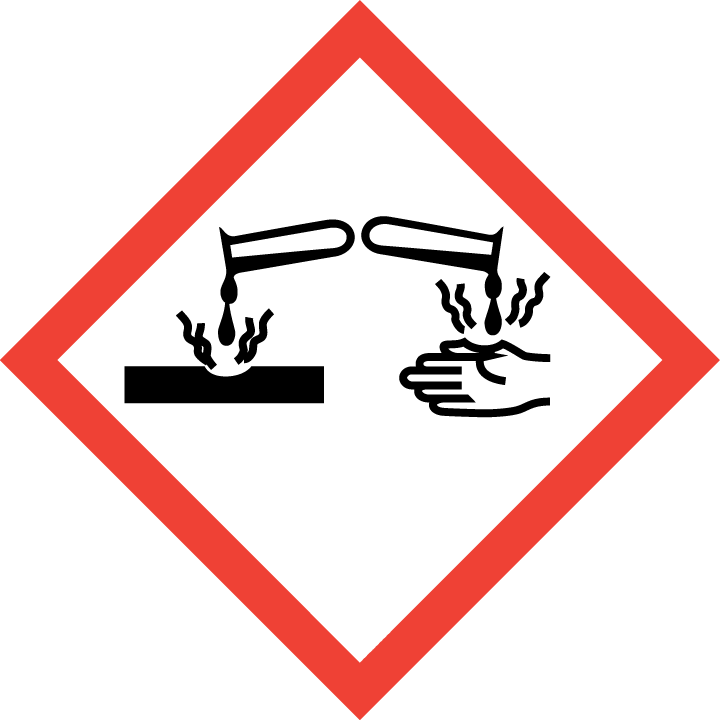
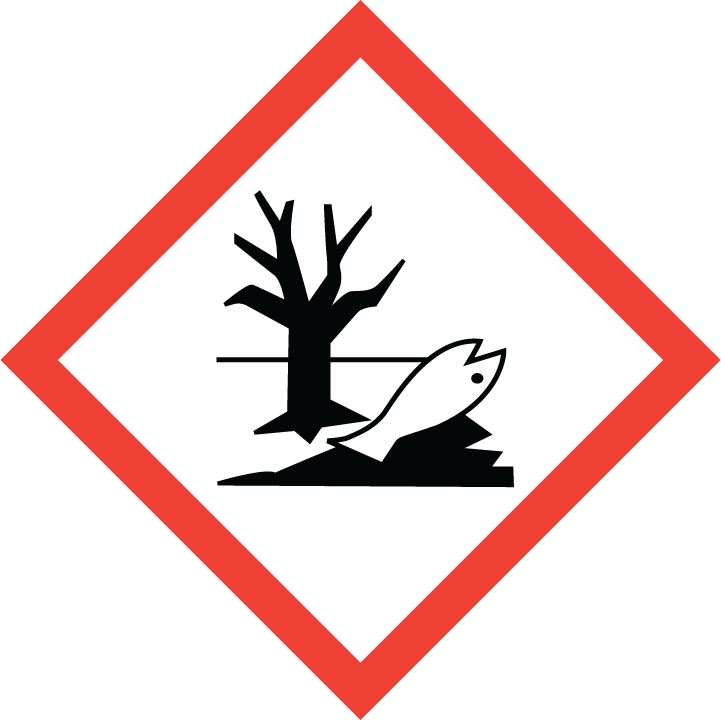 Danger
Hazard Statements (H-Phrases)
Precautionary Statements (P-Phrases)





Recently viewed
You may also like
Browse related categories
Category
Sub-category
Catalogue
Brand
Questions about Sodium hypochlorite solution, 5-10 % Cl, techn., 1 l, plastic
What is this article?
Sodium hypochlorite solution, 5-10 % Cl, techn., 1 l, plastic is the article on this page. Luminix Health distributes Carl Roth for laboratory use. It sits in Disinfectants & biocides, inside Cleaning & disinfection, in Lab safety equipment.
A disinfectant or a biocide makes a kill claim against named organisms, at a stated dilution and contact time, on a stated kind of surface. Without those three, it is a bottle of chemical. The spectrum, bacteria, fungi, spores or viruses, is the specification. It works poorly through dirt.
Cleaning removes soil. Disinfection kills or inactivates microbes that remain. They are not the same step, and a disinfectant on top of dirt does less than the label claims. The spectrum, the contact time and the surface decide the product. A wipe is the mechanical half of the same job. Chemical classification is on ECHA. Workplace practice is EU-OSHA on dangerous substances. Biosafety context is the WHO biosafety topic.
Which category should I open next?
The category is Cleaning & disinfection. The sub-category is Disinfectants & biocides. The catalogue is Lab safety equipment.
Shelves beside this one are Wipes, tissues & paper towels, Laboratory cleaners & detergents and Cleaning & disinfection (other).
What should I check before I order?
When this page shows a safety data sheet, use that manufacturer file. Hazard text does not belong in the sales description. For a pack size, a grade or a certificate that is not on the page, send a quote request or contact the team.
How does ordering and shipping work?
We deliver across the EU, usually within 2 to 5 working days. More is on Delivery across the EU. The terms are in the Shipping Policy. The full brand index is on shop by brand. Who we are is on about us.
Which other categories should I open?
The seven catalogues are Labware, Lab chemicals, Lab instruments, Lab consumables, Chromatography equipment, Lab safety equipment and Life Science & Microbiology.