



Description
Buffer NT2 is a binding buffer supplied as one ready-to-use 100 ml bottle for laboratory chromatography accessory work. According to the manufacturer data it is an inorganic perchlorate aqueous solution based on sodium perchlorate and is identified for transport as UN 3211. The formulation is intended where protocols specify Binding Buffer NT2 and supports controlled binding steps within purification workflows. Offered by manufacturer Macherey-Nagel, the unit has a net weight of 0,20 kg and is packed for routine bench use. Hazard communication includes the signal word Danger together with H272 and H302, so oxidising and harmful-if-swallowed precautions apply; corresponding P-statements cover ignition sources, protective equipment, and correct disposal. Dual-use designation is stated as no. The single-bottle presentation simplifies stock management for laboratories that replenish NT2 independently of full kits. Gross weight matches the net figure at 0,20 kg, and the compact pack dimensions suit standard reagent storage. Use only within established chromatography or nucleic-acid purification sequences that call for this buffer identity, following the Safety Data Sheet and local laboratory rules for oxidising aqueous perchlorate reagents.
This article is part of Chromatography accessories, in Vials, caps & septa.
Key features
- Pack size: 100 ml
- Storage temperature: 18 - 25 °C
- Product type: Binding buffer NT2
- EAN: 4046681159466
- Technical Information Sheet:

- Safety Data Sheet:
Compliance & Safety Information
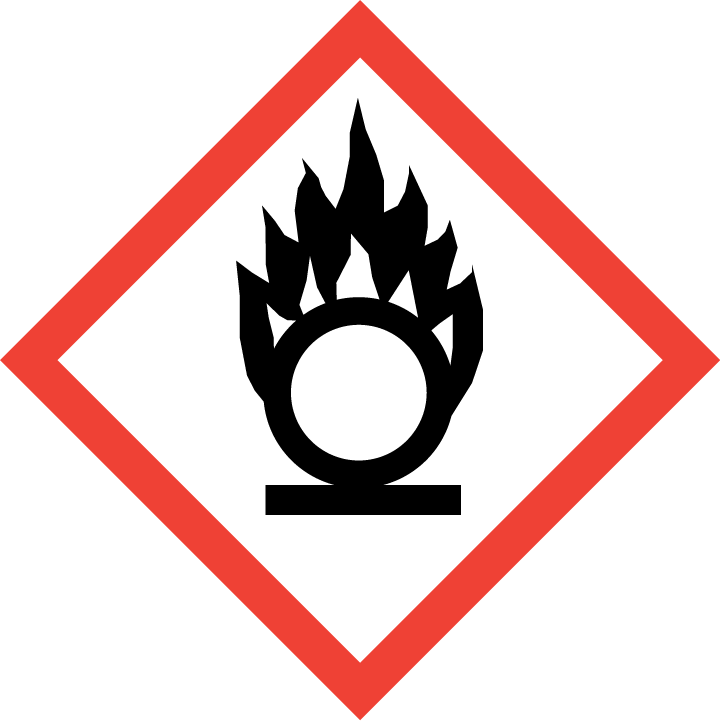
 Danger
Hazard Statements (H-Phrases)
Precautionary Statements (P-Phrases)


Recently viewed
You may also like
Browse related categories
Category
Sub-category
Catalogue
Brand
Questions about Buffer NT2 (100 mL)
What is this article?
Buffer NT2 (100 mL) is the article on this page. Luminix Health distributes Macherey-Nagel for laboratory use. It sits in DNA & RNA extraction kits, inside Molecular biology, in Microbiology lab supplies.
An extraction kit lyses the sample and then binds the nucleic acid, usually on a column or on a bead, and washes the rest away. Kits for blood, tissue, soil or a PCR cleanup are different chemistries. Yield and the size of fragments they keep are in the protocol. An RNA kit has to protect against RNase.
Molecular biology here is the handling of DNA and RNA. Extraction kits break the cell and then separate the nucleic acid from protein and from the other nucleic acid. PCR and qPCR reagents copy a chosen sequence so it can be seen. The enzymes and the nucleotides are what the copy depends on. Nuclease contamination destroys the sample before the kit can save it. Sequences are on NCBI Nucleotide. Papers are on PubMed.
Which category should I open next?
The category is Molecular biology. The sub-category is DNA & RNA extraction kits. The catalogue is Microbiology lab supplies.
Shelves beside this one are Molecular biology reagents (other) and PCR, qPCR & nucleic acid analysis reagents.
What should I check before I order?
When this page shows a safety data sheet, use that manufacturer file. Hazard text does not belong in the sales description. For a pack size, a grade or a certificate that is not on the page, send a quote request or contact the team.
How does ordering and shipping work?
We deliver across the EU, usually within 2 to 5 working days. More is on Delivery across the EU. The terms are in the Shipping Policy. The full brand index is on shop by brand. Who we are is on about us.
Which other categories should I open?
The seven catalogues are Labware, Lab chemicals, Lab instruments, Lab consumables, Chromatography equipment, Lab safety equipment and Life Science & Microbiology.

