


Description
Copper powder ROTI®METIC 99,999 % (5N) is a high-purity elemental copper reagent identified by CAS number 7440-50-8 and empirical formula Cu. It has a molar mass of 63,54 g/mol, a density of 8,96 g/cm³ and a boiling point of 2580 °C, giving clear physical reference data for inorganic and materials laboratories. The grade is specified at 99,999 % (5N), supporting work where copper must be introduced with minimal metallic impurities, for example in specialty alloy studies, catalyst preparation, thin-film or precursor chemistry, and high-purity standard formulation. This variant is Physical constants and the elemental identity (EG nr. 231-159-6) help analysts document reagent quality in SOPs and batch records. Offered in the ROTI®METIC line from manufacturer Carl ROTH, the powder fits inventories focused on ultra-pure metals and inorganic elements. Use it wherever defined copper metal powder is required for research, analytical preparation or advanced materials workflows that depend on tightly controlled purity and reproducible bulk properties.
This article is part of Metals, elements & oxides, in Inorganic chemicals.
Key features
- Assay (metals basis): 99,999 %
- Particle size: <100 mesh
- CAS number: 7440-50-8
- Pack sizes: 10 g, 50 g
- EG nr.: 231-159-6
- Purity: 99,999 % (5N)
- Empirical formula: Cu
- Molar mass: 63,54 g/mol
- Technical Information Sheet:

- Safety Data Sheet:
Compliance & Safety Information
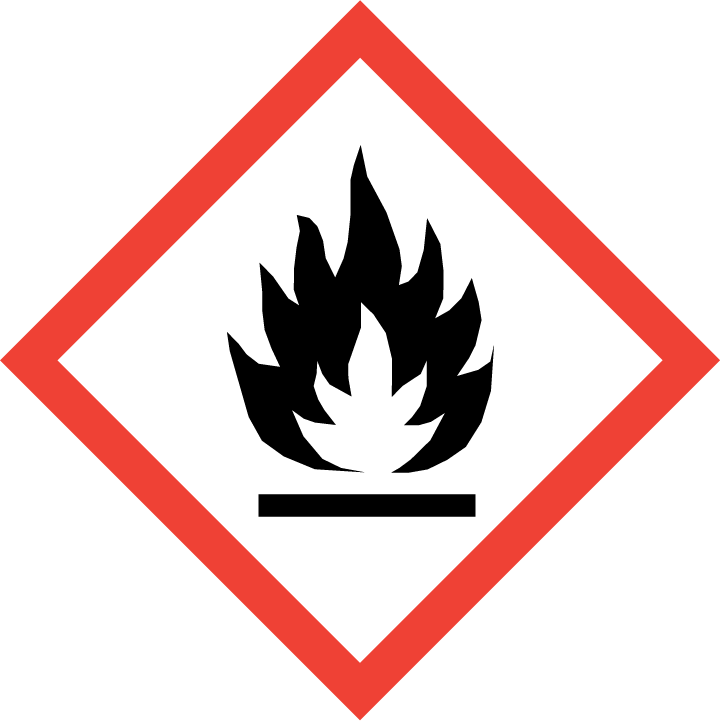
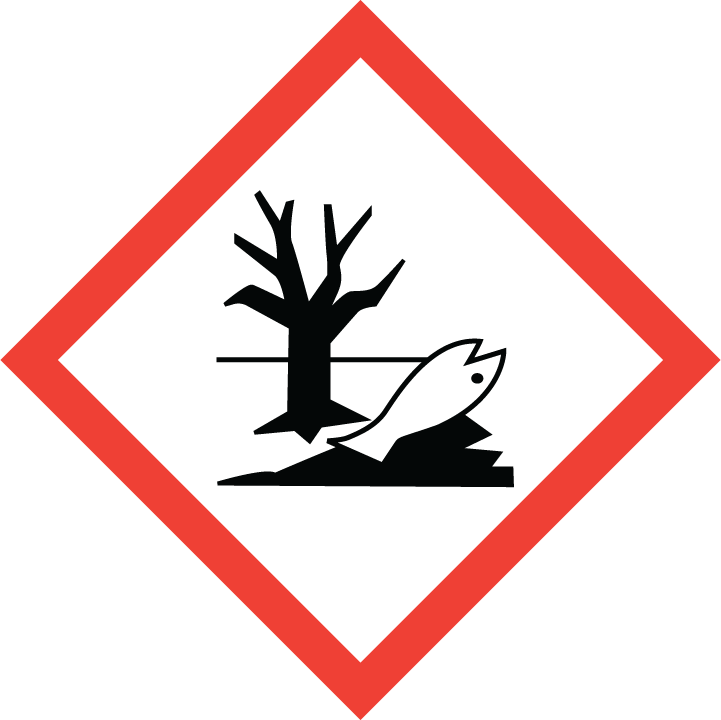 Warning
Hazard Statements (H-Phrases)
Precautionary Statements (P-Phrases)
Recently viewed
You may also like
Browse related categories
Category
Sub-category
Catalogue
Brand
Questions about Copper powder, ROTI®METIC 99,999 % (5N), 10 g, glass
What is this article?
Copper powder, ROTI®METIC 99,999 % (5N), 10 g, glass is the article on this page. Luminix Health distributes Carl Roth for laboratory use. It sits in Metals, elements & oxides, inside Inorganic chemicals, in Lab chemicals.
Metals, elements and oxides are the element itself or its oxide, sold as powder, shot, foil or wire. Purity and particle size are both the specification. A 99 percent powder and a 99.999 percent shot of the same element are different articles. Many are reactive to air or to water.
An inorganic chemical is a salt, an acid or base in solid form, a metal, an oxide, or an element. The waters of hydration are part of the formula: a hydrate and an anhydrous salt are different masses for the same ion. Trace metals matter when the salt will be used in analysis. Nanomaterials add particle size to the specification. Look the substance up on PubChem. Hazard classes are on ECHA, under the CLP Regulation and REACH. Transport of the dangerous ones is explained by the UNECE.
Which category should I open next?
The category is Inorganic chemicals. The sub-category is Metals, elements & oxides. The catalogue is Lab chemicals.
Shelves beside this one are Inorganic salts and Nanomaterials & quantum dots.
What should I check before I order?
When this page shows a safety data sheet, use that manufacturer file. Hazard text does not belong in the sales description. For a pack size, a grade or a certificate that is not on the page, send a quote request or contact the team.
How does ordering and shipping work?
We deliver across the EU, usually within two to five working days. More is on Delivery across the EU. The terms are in the Shipping Policy. The full brand index is on shop by brand. Who we are is on about us.
Which other categories should I open?
The seven catalogues are Labware, Lab chemicals, Lab instruments, Lab consumables, Chromatography equipment, Lab safety equipment and Life Science & Microbiology.

