Description
n-Pentane is an aliphatic hydrocarbon solvent supplied at a minimum purity of 95 % in extra pure grade, with CAS number 109-66-0 and empirical formula C₅H₁₂. It has a molar mass of 72,15 g/mol, a density of 0,63 g/cm³, a boiling range of 35 to 36 °C and a flash point of −40 °C. The product is This solvent is available from manufacturer Carl ROTH for laboratories that need a defined n-alkane cut. Extra pure n-pentane is commonly selected where low-boiling non-polar media are required for residue work, recrystallisation aids or non-polar mobile-phase components. Identity data include EG number 203-692-4 and UN number 1265 for transport classification. The one-litre glass pack suits method development and intermittent use while preserving solvent integrity under standard laboratory handling for highly flammable liquids, and the listed physical constants help plan evaporations and safety assessments.
This article is part of Analytical grade solvents (p.a.), in Solvents.
Key features
- Assay (GC): ≥95.0 %
- Density (15 °C): 0.622-0.642
- Isopentane: ≤5 %
- Cyclopentane: ≤1.4 %
- n -Hexane: ≤0.5 %
- Benzene: ≤0.002 %
- Total sulphur: ≤0.0001 %
- CAS number: 109-66-0
- Pack sizes: 1 l, 10 l, 180 l, 2.5 l, 25 l, 5 l, 100 ml
- EG nr.: 203-692-4
- Purity: min. 95 %, extra pure
- Molar mass: 72,15 g/mol
- Density: 0,63 g/cm³
- Technical Information Sheet:

- Safety Data Sheet:
Compliance & Safety Information
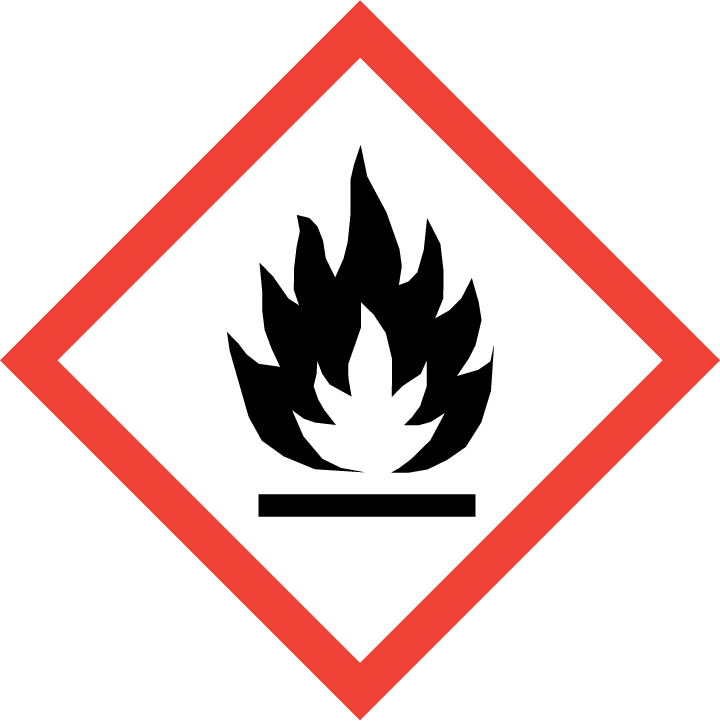

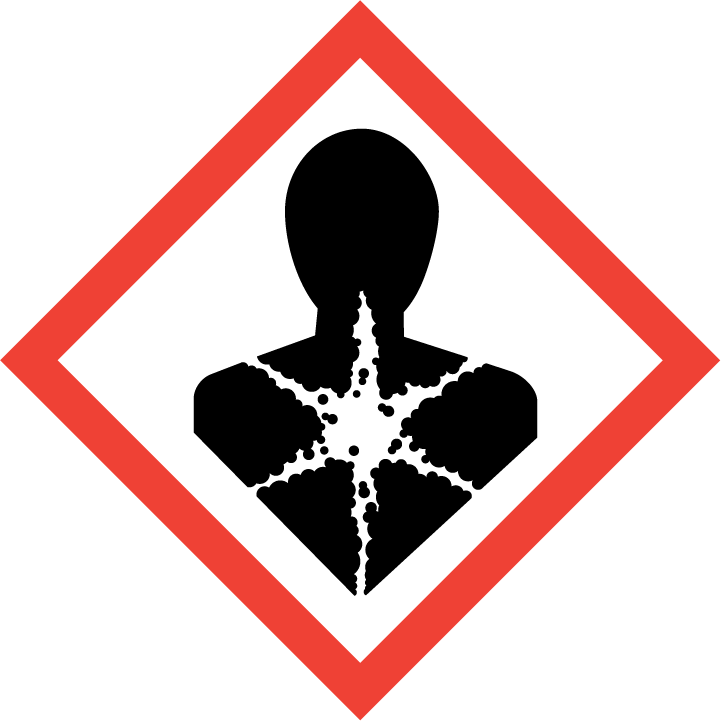
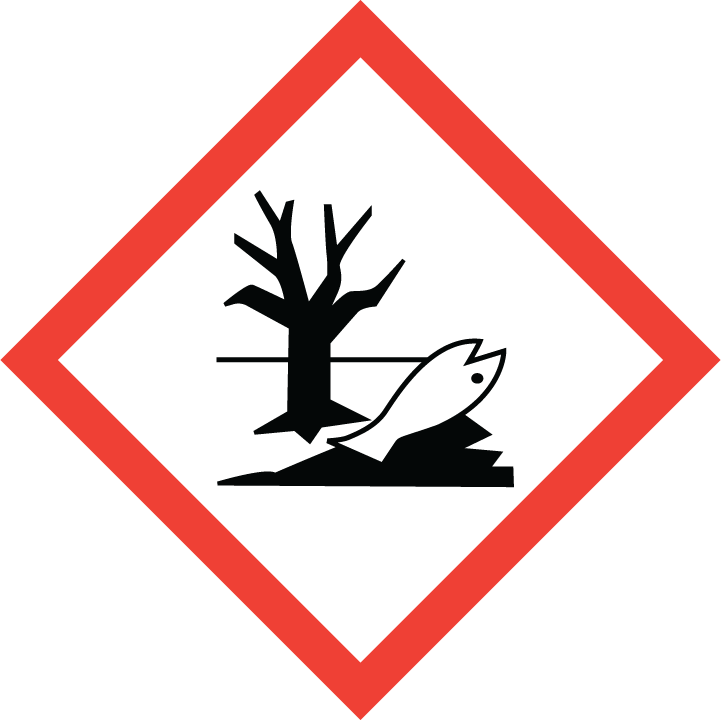 Danger
Hazard Statements (H-Phrases)
Precautionary Statements (P-Phrases)


Recently viewed
You may also like
Questions about n-Pentane, min. 95 %, extra pure, 1 l, glass
What is this article?
n-Pentane, min. 95 %, extra pure, 1 l, glass is the article on this page. Luminix Health distributes Carl Roth for laboratory use. It sits in Analytical grade solvents (p.a.), inside Solvents, in Lab chemicals.
An analytical-grade solvent, often marked p.a., has impurity limits tight enough for classical analysis and for preparing reagents. It is not automatically low enough in UV absorbance for HPLC, and it is not dry enough for a water-sensitive reaction. The grade is the purchase.
A solvent dissolves. The grade says which impurities are low enough for the method. Analytical grade is the ordinary pure solvent. HPLC and LC-MS grades limit the absorbance and the ions that would become peaks or background. A dry solvent has had water removed. A deuterated solvent is for NMR, where the hydrogen signal would otherwise drown the sample. Technical grade is for cleaning and for synthesis that does not need a chromatogram. Identity is on PubChem. Names follow IUPAC. Hazards follow ECHA, the CLP Regulation and REACH.
Which category should I open next?
The category is Solvents. The sub-category is Analytical grade solvents (p.a.). The catalogue is Lab chemicals.
Shelves beside this one are HPLC & LC-MS grade solvents, Dry & deuterated solvents (NMR, synthesis), Technical & synthesis grade solvents and Green & alternative solvents.
What should I check before I order?
When this page shows a safety data sheet, use that manufacturer file. Hazard text does not belong in the sales description. For a pack size, a grade or a certificate that is not on the page, send a quote request or contact the team.
How does ordering and shipping work?
We deliver across the EU, usually within 2 to 5 working days. More is on Delivery across the EU. The terms are in the Shipping Policy. The full brand index is on shop by brand. Who we are is on about us.
Which other categories should I open?
The seven catalogues are Labware, Lab chemicals, Lab instruments, Lab consumables, Chromatography equipment, Lab safety equipment and Life Science & Microbiology.